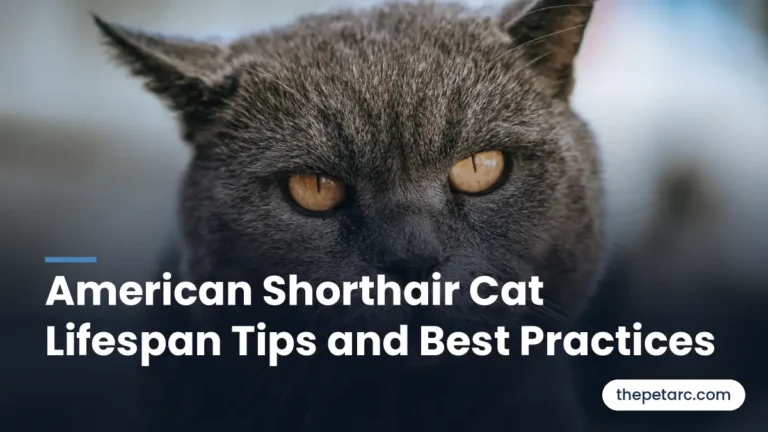
American Shorthair Cat Shedding Tips and Best Practices
As an Amazon Associate we earn from qualifying purchases. Guides are for general information; always check your owner's manual and consult a qualified mechanic when unsure.
American Shorthair cats have a rich, dense coat. They shed more than many other breeds. Their fur has a soft undercoat and a tougher top layer. This double coat helps them survive cold weather. But it also means more fur around your home. Always follow official safety and maintenance guidelines for best results.
Understanding american shorthair cat shedding helps you care for your cat. It also keeps your house cleaner. We will look at why they shed and how to manage it. You will learn what tools work best. We will also cover health risks tied to loose fur.
Shedding is normal. But heavy shedding can signal a problem. The goal is to keep your cat healthy. You want less fur on your sofa. We will show you how to do both.
The American Shorthair Double Coat: Structure, Density, and Seasonal Shedding Cycles
American Shorthairs carry a unique double coat. The outer guard hairs are thick and sleek. They repel water and block dirt. Beneath them sits a soft, dense undercoat. This layer grows thick in cold months. It helps the cat stay warm.
Shedding follows a natural cycle. Most cats shed heavier in spring and fall. Indoor cats may shed all year. The undercoat loosens in large clumps. This is often called a seasonal “blow out.” You will notice more fur on your floors. American shorthair cat shedding peaks during these transitions. For complementary picks and expert testing advice, see our guide on Abyssinian Cat Life Expectancy Tips and Best Practices.
The density of the coat varies. Some cats have a looser undercoat. Others carry a very tight, thick layer. Age and health also play a role. Kittens shed less than adults.
Older cats may shed more as their coat thins. Genetics matter too. Some bloodlines shed heavier than others. A cat from a show line may have a denser coat. This means even more fur to manage.
Heat changes trigger the biggest sheds. When daylight hours shift, the cat’s body responds. The pineal gland sends signals to the hair follicles. Old fur loosens and falls out. New fur grows in its place. This process takes about two to three weeks. During that time, you will see fur everywhere.
Furniture, clothes, and even food get covered. The spring shed is usually heavier. The cat drops its winter coat. The fall shed is lighter but still clear. Indoor cats lack strong seasonal cues. Artificial lights confuse their internal clock. They shed in small amounts all year long.
- Guard Hairs: These top hairs are coarse and water-resistant. They protect the soft undercoat from dirt and moisture.
- Undercoat: This dense, soft layer traps warmth. It sheds in large clumps during seasonal changes.
- Seasonal Blow Out: A heavy shedding phase in spring and fall. The cat loses its old undercoat to make room for new growth.
- Indoor vs. Outdoor: Outdoor cats shed with the seasons. Indoor cats often shed lightly all year due to artificial light and steady heat.
Practical Methods for American Shorthair Cat Shedding: Grooming Tools and Techniques That Actually Work
Regular grooming is the best way to manage american shorthair cat shedding. A good brush removes loose fur before it hits your floor. It also spreads natural oils through the coat. This keeps the fur healthy and shiny. You should brush your cat at least twice a week. During heavy shedding, daily brushing helps a lot.
Not all brushes work the same. A slicker brush reaches through the topcoat. It grabs loose undercoat fur without hurting the skin. An undercoat rake works well for thick coats.
A deshedding tool like a FURminator pulls out loose fur deep down. A bristle brush gives a final smooth finish. Start at the head and brush toward the tail. Always follow the direction of fur growth.
Bath time can also help. A deshedding shampoo loosens dead fur. Use it with a gentle conditioner. This makes the coat easier to brush out. Never shave your cat to cut shedding. It can damage the regrowth pattern and harm the coat.
Build a grooming routine your cat accepts. Start with short sessions of two to three minutes. Let your cat sniff the brush first. Reward calm behavior with a treat. Gradually increase the time each week. Most cats learn to enjoy grooming after a few sessions.
Focus on the heavy-shedding zones first. The belly, chest, and base of the tail shed the most. The back and sides need attention too. Use gentle strokes. Never press hard against the skin. If your cat pulls away, stop and try later.
Here is a step-by-step grooming plan that works well for most American Shorthairs. Follow this order for the best results:
- Use a Deshedding: Use a deshedding tool on the back and sides. Stroke gently in the direction of fur growth. You will pull out large clumps of dead undercoat.
- Switch to a Slicker: Switch to a slicker brush. Work through the belly, chest, and armpits. These areas hold the most loose fur.
- Use an Undercoat: Use an undercoat rake on the neck and tail base. These spots get matted fast. The rake untangles clumps without pulling too hard.
- Finish with a Bristle: Finish with a bristle brush. Smooth the topcoat and spread skin oils. The fur will look sleek and shiny.
- Reward Your Cat: Reward your cat with a treat or petting session. This builds a positive link to grooming.
A bath once a month supports this routine. Wet the coat with warm water. Apply a deshedding shampoo and lather well. Let it sit for five minutes. Rinse completely. Towel dry and brush out the loosened fur. This flush method removes fur that brushing alone misses.
- Slicker Brush: Use this to remove loose undercoat fur. Its fine wires reach through the topcoat without scratching the skin.
- Undercoat Rake: Great for thick, dense coats. It pulls out clumps of dead fur from the deep undercoat layer.
- Deshedding Tool: A FURminator-style tool cuts through to the undercoat. It removes loose fur without cutting guard hairs.
- Bristle Brush: Use this last to smooth the topcoat. It spreads natural oils and gives the fur a polished look.
Health Risks of Unmanaged American Shorthair Cat Shedding: Hairballs, Matting, and Skin Conditions
Too much loose fur causes real health risks. Hairballs are the most common problem. Cats swallow fur when they groom. It builds up in the stomach. This can cause vomiting or blockages. A large hairball may need surgery to remove. Regular brushing cuts down on fur intake. It is one of the best ways to protect your cat.
Hairballs often look like small, dense tubes. They are wet and covered in mucus. If your cat gags but nothing comes up, watch closely. This could mean a blockage. A cat that stops eating and hides may have a serious issue.
Vet care is urgent in these cases. Most hairballs pass through the gut safely. But frequent ones show that shedding is out of control. Step up the grooming plan right away.
Matting is another serious issue. Loose undercoat fur tangles with the topcoat. Mats form tight clumps against the skin. They pull the skin and cause pain. Mats also trap moisture and dirt. This leads to skin infections and sores.
You can prevent mats with frequent brushing. Focus on high-friction areas like the armpits and behind the ears. If mats already form, do not cut them yourself. Use a mat splitter or ask a vet or groomer for help. Scissors can cut the skin by mistake.
Skin conditions can worsen with excess shedding. Dander and loose fur irritate sensitive skin. Allergies and fungal infections may flare up. You may see red patches or hair loss. Check your cat’s skin often. Look for flakes, redness, or bald spots.
These signs need a vet visit fast. Stress grooming also adds to the problem. Some cats lick fur off due to anxiety. This creates bald, irritated patches. A calm home and routine grooming ease the tension.
- Hairball Blockages: Swallowed fur clumps in the gut. Signs include repeated gagging, loss of appetite, and lethargy.
- Matting Pain: Tight tangles pull the skin. They trap moisture and lead to sores and infection.
- Skin Irritation: Dander and loose fur can trigger allergies. Red, flaky skin needs a vet check.
- Stress Grooming: Cats lick fur out of stress. This adds to shedding and can cause bald patches.
Environmental Control and Home Protection Strategies for Heavy American Shorthair Cat Shedding
Heavy fur loss from american shorthair cat shedding can fill your home fast. You need a plan to keep your space clean. The right tools make a big difference.
Start with a vacuum made for pet hair. Look for models with strong suction and a HEPA filter. A HEPA filter traps tiny dander bits. It also helps keep your air fresh.
Run the vacuum on rugs and couches at least twice a week. Use a crevice tool for corners and edges. Pet hair builds up in gaps between furniture and walls. A motorized brush roll lifts fur from fabric deep down.
You can also reduce fur at the source. Groom your cat near a trash can. Loose fur lands in the bin instead of on the floor. Place a damp cloth on your lap when you pet your cat. It catches stray fur before it spreads. Use a lint roller on clothes before you leave the house. These small habits keep fur under control fast. For complementary picks and expert testing advice, see our guide on Abyssinian Cat Litter Box Size Tips and Best Practices.
Air quality matters too. Fur and dander float in the air. They settle on surfaces later. A HEPA air purifier catches them before they land. Place it in the room where your cat sleeps. Run it on high for a few hours each day. Change the filter every two to three months. This keeps the airflow strong and clean.
- HEPA Vacuum: Traps dander and fine fur from floors and fabric.
- Lint Roller: Fast fix for fur on clothes and throw pillows.
- Washable Throw Covers: Slip them on sofas. They catch fur and rinse clean.
- Air Purifier: A HEPA air purifier cuts floating fur and dander. It works best in rooms your cat uses most.
- Fur-Blocking Furniture: Microfiber or leather seats shed less than fabric. They also wipe clean with a damp cloth.
Place a washable mat under your cat’s food and water bowls. Fur sticks to damp paws. It spreads far from the bowl. A simple mat catches that mess at the source. Wash the mat every few days.
This stops fur from traveling through your home. You can also set up a grooming station near a window. Good light helps you spot loose fur. It also makes grooming a calm, daily habit.
Nutrition and Supplements That Influence American Shorthair Cat Shedding Quality and Volume
What you feed your cat affects its coat. Good food leads to a healthy coat. A healthy coat means less loose fur. You can also add supplements for extra help.
Look for cat food with real meat first. Fish oils and chicken fat give good fats. These fats feed the skin from the inside. Dry, flaky skin sheds more fur. Moist, healthy skin holds fur in place longer.
Check the label for named animal proteins. Chicken, salmon, or turkey should be first. Avoid foods with vague terms like “animal by-products.” These offer low-quality protein. The coat suffers over time.
Supplements can fill gaps in the diet. Omega-3 fish oil is the top choice. Add a few drops to wet food. It adds moisture to the skin. It can cut down on dry, flaky fur loss. Biotin helps grow strong fur. It also keeps the skin healthy from within. Start with a small dose. Watch for any changes over two weeks.
Hydration plays a big role too. Wet food has more water than dry kibble. A cat water fountain encourages drinking. Well-hydrated skin sheds less than dry skin. You can also add bone broth to food.
It is rich in nutrients that support fur growth. Talk to your vet before adding any new supplement. They can suggest the right dose for your cat’s size and age. A slow change in diet works best. Watch your cat’s fur for improvements over a few weeks.
- Omega-3 Fish Oil: Adds moisture to the skin. It can cut down on dry, flaky fur loss.
- Biotin Supplements: Biotin helps grow strong fur. It also keeps the skin healthy from within.
- High-Protein Cat Food: Fur is made of protein. A protein-rich diet supports a thick, full coat.
- Hydration Matters: Wet food or a water fountain helps. Well-hydrated skin sheds less than dry skin.
- Deshedding Shampoo: A gentle deshedding shampoo loosens dead fur during bath time. Use it no more than once a month.
Avoid over-supplementing your cat. Too much oil can cause diarrhea. Excess biotin can affect other nutrients. Stick to the top amounts. A balanced approach gives the best results. You will see a shinier coat and less loose fur within weeks.
When to Consult a Veterinarian: Abnormal Shedding Patterns in American Shorthair Cats
All cats shed. But some shedding is not normal. If your cat loses clumps of fur, it may signal a problem. You should know the signs that need a vet visit.
Watch for bald patches on the skin. These spots often mean over-grooming or a skin infection. Too much scratching is another red flag. It could point to fleas, mites, or allergies. A dull, dry coat can also mean poor nutrition or illness. If the coat looks sparse or brittle, check the diet first. Then see a vet if the problem continues.
Sudden shedding spikes also need attention. A big change in fur loss can link to stress or illness. Note when it started. Think about recent changes in the home. A new pet, a move, or a new routine can trigger stress.
Your vet will check for thyroid issues or parasites. They may run blood tests or skin scrapings. Early treatment stops small problems from getting worse. Do not wait if you see something odd.
Older cats may shed more due to age. Their skin produces less oil. The coat becomes thinner and drier. This is normal but still needs care. Groom them gently and often. Use a soft brush to avoid irritation. Senior cats also need more checks for skin lumps and bumps. These can hide under loose fur. A vet exam once a year helps catch problems early.
- Bald Patches: These show up from too much licking or scratching. They need a vet exam fast.
- Red or Flaky Skin: Flaky skin may mean dandruff or a yeast issue. A vet can test for it.
- Sudden Shedding Spikes: A big change in fur loss can link to stress or illness. Note when it started.
- Itching and Scabs: Constant itching leads to open sores. These can get infected without treatment.
- Behavior Changes: A cat that hides or stops eating needs care. These signs often pair with skin issues.
Seasonal Shedding Calendar: A Year-Round Plan for American Shorthair Owners
Planning ahead makes shedding easier. You can map your grooming and cleaning to the seasons. This saves time and keeps your cat easy. Each phase of the year brings different shedding challenges.
- In Winter: In winter, the coat thickens.
- Indoor Cats: Indoor cats may shed lightly all season.
- Focus on Weekly: Focus on weekly brushing.
- Keep the Air: Keep the air moist.
- Dry Heat: Dry heat from heaters dries the skin.
- Use a Humidifier: Use a humidifier in your cat’s main room.
- This Reduces Static: This reduces static and loose fur.
Spring brings the big shed. The undercoat comes out in clumps. Brush daily for four to six weeks. Use the deshedding tool most days. Schedule a bath mid-spring. This removes fur that brushing misses. Clean the home more often. Vacuum three times a week. Wash cat beds and blankets every five days. For complementary picks and expert testing advice, see our guide on Abyssinian Cat Separation Anxiety for Beginners.
Summer brings lighter shedding. The coat thins out. Brush two to three times a week. Watch for sunburn on pale cats. Keep indoor time during peak sun hours. Provide shade and fresh water always.
Fall brings a smaller shed. The cat grows a new undercoat. Brush every other day for two weeks. This supports the new growth cycle. Add supplements now for winter readiness. Omega-3 oils and biotin help. Start them two weeks before the cold sets in.
Following this calendar keeps shedding manageable. You stay ahead of the fur. Your cat stays easy and healthy all year long.
Comparing Grooming Tools for Heavy Shedding
| Tool | Best For | Material | Use Frequency |
|---|---|---|---|
| Slicker Brush | Top coat detangling | Fine wire bristles | 3-4 times per week |
| Undercoat Rake | Deep undercoat removal | Stainless steel teeth | 2-3 times per week |
| Deshedding Tool | Bulk loose fur removal | Stainless steel blade | 1-2 times per week |
| Bristle Brush | Finishing and shine | Natural boar bristles | Daily |
| Grooming Glove | Light touch and bonding | Silicone nubs | Daily or as needed |
Frequently Asked Questions
Do American Shorthair Cats Shed More Than Other Breeds?
They shed a lot, but not as much as long-haired breeds. Their double coat blows out twice a year. Regular grooming keeps the volume in check.
What Is the Best Brush for American Shorthair Cat Shedding?
A deshedding tool works best for the undercoat. A slicker brush helps with the top coat. Use both for the best results.
Can I Shave My American Shorthair to Stop Shedding?
You should not shave this breed. Their coat protects their skin and regulates heat. Shaving can damage the fur regrowth cycle.
How Often Should I Bathe My Shedding American Shorthair?
Bathing once a month helps during peak shedding. Use a deshedding shampoo. Too many baths dry out the skin and cause more fur loss.
Is Fur From American Shorthair Cat Shedding Harmful to Humans?
The fur itself is not harmful. But it can carry dander and dust. Regular cleaning and an air purifier help reduce exposure.
Final Thoughts and Next Steps
Managing american shorthair cat shedding takes daily effort. You need the right tools and a steady routine. Start with a good brush and a HEPA vacuum. Add a healthy diet to support a strong coat. Watch your cat for any signs of skin trouble.
Small steps make a big difference over time. You will save your furniture and keep your cat happy. A clean home and a healthy coat go hand in hand. Stick with your plan and adjust as the seasons change.