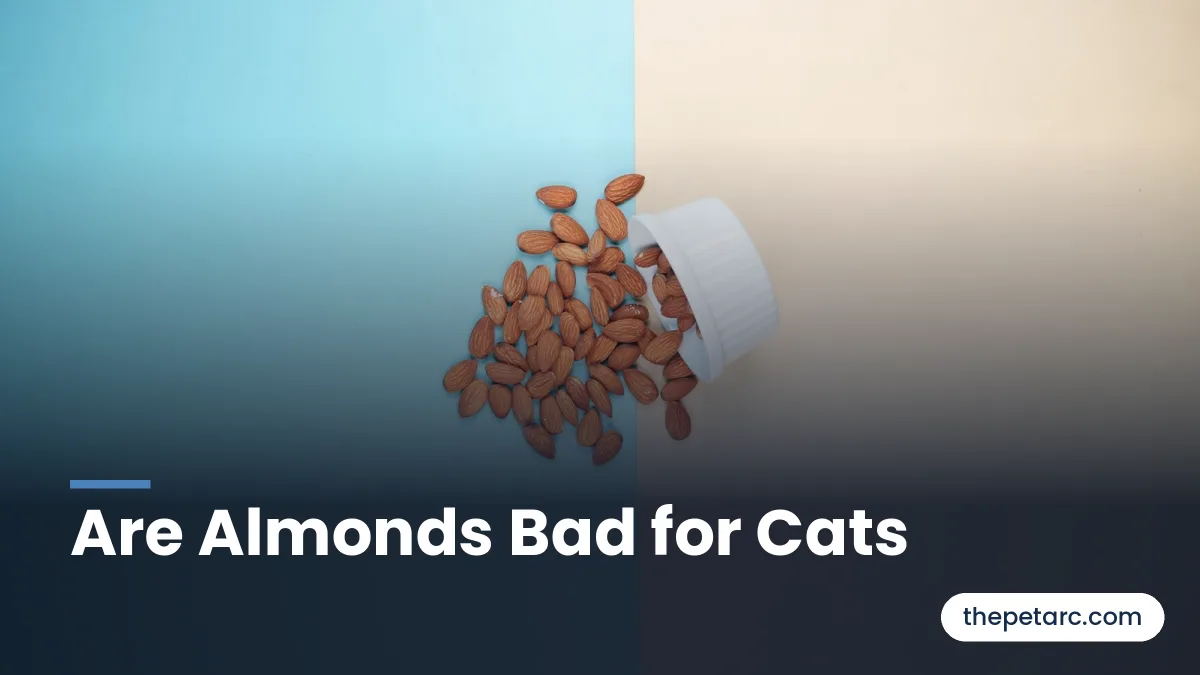
Are Almonds Bad for Cats
As an Amazon Associate we earn from qualifying purchases. Guides are for general information; always check your owner's manual and consult a qualified mechanic when unsure.
So your cat snuck a piece of almond off the counter. You wonder: are almonds bad for cats? You are not alone. Many cat owners face this exact moment. The answer is not a simple yes or no. It depends on the type and amount. Let us break it down properly.
We have pulled together real veterinary toxicology data for you. This is not guesswork. It is what vets actually see in clinics. You will walk away knowing exactly what to do. That is what matters most here. Cats are curious creatures. They sniff. Always follow official safety and maintenance guidelines for best results.
They taste. Sometimes they swallow things they should not. Almonds are one of those things. So let us look at what the science says. No fluff. Just clear facts you can use.
Are Almonds Bad for Cats: A Veterinary Toxicology Breakdown
Let us start with the direct question. Are almonds bad for cats? The honest answer is: it depends. Sweet almonds are not classified as toxic. But they are not safe either. They can cause real stomach upset in cats. Vets see this often in practice.
Bitter almonds are a completely different story. These contain amygdalin, a compound that releases cyanide. Even a small number can poison a cat. Cyanide disrupts oxygen delivery to cells. That is extremely dangerous for any animal. You must know which type your cat ate.
Most store-bought almonds are sweet varieties. That does not make them okay for cats. The ASPCA lists almonds as a food that may cause mild toxicity. This is based on GI distress reports. Vomiting and diarrhea are common signs. Let us look at the key clinical factors below.
- Cyanogenic Glycosides: Found in bitter almonds. Releases hydrogen cyanide when chewed. Even one or two bitter almonds can harm a small cat.
- Fat Overload: Almonds are about 50% fat. Cats are obligate carnivores. Their bodies cannot process plant fat well. This triggers pancreatitis risk over time.
- GI Obstruction: Whole almonds are hard and small. They can lodge in a cat intestine. Surgery is sometimes needed to remove them.
- Salt Content: Flavored almonds often carry salt. Too much salt causes sodium ion poisoning in cats. Symptoms include tremors and seizures.
- Mild Toxicity: Sweet almonds cause vomiting, diarrhea, and lethargy. These signs usually appear within hours. Most cats recover with supportive care.
Why Cats Cannot Digest Nuts — The Obligate Carnivore Problem
Cats are built to eat meat. That is their biological design. Their digestive system is short and acidic. It works best on protein and animal fat. Nuts are plant material. A cat gut simply does not know what to do with them.
Think of it like this. You would not put diesel in a gasoline engine. That is what feeding nuts to a cat is like. The machinery is wrong for the fuel. It does not explode. But it stalls and sputters. Your cat will feel sick from it.
Enzyme deficiencies are the core issue. Cats lack cellulase. This enzyme breaks down plant cell walls. They also lack enough lipase for plant-based fats. So almonds just move through undigested. Or they sit in the gut and ferment. That leads to gas, bloating, and diarrhea. Not fun for anyone.
- Short Gut: A cat intestine is much shorter than a dog’s. Plant matter passes through too fast for full nutrient extraction.
- No Cellulase: This missing enzyme means almond fiber passes through intact. It acts like roughage the body cannot use.
- Pancreatitis Link: High-fat foods strain the feline pancreas. Chronic exposure can trigger life-threatening pancreatitis in cats.
- Taurine Gap: Almonds offer zero taurine. Cats must get taurine from animal sources. Deficiency causes heart and eye problems.
- Protein Mismatch: Almond protein is plant-based. Cats need animal-source amino acids. Plant protein does not meet their needs at all.
This is why vets push species-appropriate diets. A cat’s gut is not designed for nuts. Even “safe” foods for dogs can harm cats. That is a key fact many owners miss. Always think about what fits a cat body.
Bitter Almonds vs Sweet Almonds: The Toxicity Difference That Matters
Not all almonds are the same. This is the part most people overlook. Bitter almonds and sweet almonds come from the same tree. But their chemical makeup is very different. That difference can mean the gap between a tummy ache and a poisoning emergency.
Sweet almonds are what you buy in stores. They are the ones in your snack bowl. They contain very low levels of amygdalin. A cat would need to eat many to get sick. But sick is still what happens. Vomiting and loose stool are common. They are not safe, just less deadly.
Bitter almonds are a different beast entirely. They contain up to 42 times more amygdalin. When chewed, this compound converts to hydrogen cyanide. Cyanide blocks your cat’s cells from using oxygen.
That is fast and dangerous. A cat weighing 10 pounds can be poisoned by just two or three bitter almonds. This is not a joke. This is real veterinary toxicology.
- Amygdalin Content: Bitter almonds hold high amygdalin. Sweet almonds hold very low amounts. The difference is dose-dependent toxicity for cats.
- Cyanide Release: Chewing triggers the chemical reaction. Stomach acid also helps break amygdalin down. Both pathways release cyanide in a cat gut.
- Clinical Signs: Poisoning shows up as dilated pupils, drooling, and weakness. Respiratory distress can follow quickly. Seizures may occur in severe cases.
- Treatment Window: Activated charcoal works if given fast. Oxygen therapy supports cyanide recovery. Time is critical. Call your vet the moment you suspect this.
- Source Risk: Bitter almonds are sometimes in marzipan or almond extract. Check ingredient labels carefully. “Natural almond flavoring” can come from bitter sources.
So when someone asks are almonds bad for cats, you now know the full picture. Sweet ones cause GI upset. Bitter ones can kill. Both warrant caution. Keep all almonds away from your cat. That is the only truly safe path forward.
Real Risks Beyond Poisoning — Obstruction, Pancreatitis, and Choking
Almonds pose dangers that go way past cyanide. The shape and size of almonds can block a cat’s gut. A whole almond can get stuck in the throat. This is a true choking risk for small pets. Cats have narrow airways and small stomachs.
Even one almond can cause a serious blockage. The hard texture does not break down easily. It can tear soft tissue as it passes. Pancreatitis is another major threat from nuts.
The high fat content in almonds stresses the pancreas. This can trigger painful inflammation fast. Cats lack the enzymes to handle rich fats. Their digestive systems are built for meat, not nuts.
The fat load can cause vomiting and pain. Severe cases need emergency vet care. So, are almonds bad for cats in these ways? Yes, the physical risks are real and urgent. For complementary picks and expert testing advice, see our guide on How to Master American Shorthair Cat Size Step by Step.
- Choking Hazard: Whole almonds can lodge in the throat. They are the wrong size and shape for a cat’s airway.
- Intestinal Blockage: Hard nuts do not soften in the gut. A single almond can cause a physical obstruction in the intestines.
- Pancreatitis Trigger: High fat content forces the pancreas to work too hard. This can lead to severe abdominal pain and illness.
- Internal Injury: Sharp edges from a cracked nut can scratch the esophagus or intestinal lining as it passes through.
You must watch your cat closely after any nut exposure. Look for signs like drooling or pawing at the mouth. Check for repeated vomiting or a swollen belly. Lethargy is a red flag that something is wrong.
Do not wait for symptoms to get worse. Early action prevents a minor issue from turning critical.
What Veterinarians Actually Recommend When Cats Eat Almonds
Vets take a calm, practical approach when a cat eats nuts. They first assess how many almonds were consumed. The size of the cat matters a lot here. A tiny kitten faces bigger risks than a large adult cat.
The type of almond is the next big question. Was it a sweet almond or a bitter one? Vets will check for signs of cyanide exposure. They look at breathing rate and gum color.
Oxygen levels and heart rhythm get monitored closely. The vet may give fluids to help flush the system. Anti-nausea meds can settle the stomach fast. In blockage cases, imaging like X-rays guides treatment. Surgery is a last resort for severe obstructions. So, are almonds bad for cats in the vet’s eyes? They are a risk that should never be ignored.
- Call Poison Control: Contact ASPCA Animal Poison Control or your vet clinic right away. Have the almond type and amount ready.
- Monitor Breathing: Watch for rapid or shallow breaths. Gums should stay pink, not pale or blue.
- Check for Obstruction: Look for straining in the litter box or a complete lack of stool.
- Follow Vet Orders: Do not give home remedies without pro guidance. Stick to the treatment plan your vet prescribes.
Vets stress that prevention is always better than treatment. Keep all nuts stored in sealed containers high up. Train your family to never share human snacks with the cat. This simple habit stops problems before they start. A quick phone call can save a life. Do not guess or wait when you are unsure.
Safe Treat Alternatives That Satisfy Without Risk
Cats need treats that match their meat-based diet. You can find many safe options at pet stores. Freeze-dried chicken or turkey makes a great crunchy snack. These treats are high in protein and low in risk.
Small pieces of cooked fish also work well. Just make sure there are no added spices or salt. Commercial cat treats are designed for feline digestion. They have the right balance of nutrients for your cat.
Some cats enjoy a bit of plain cooked pumpkin. It is high in fiber and gentle on the stomach. Always give treats in small amounts to avoid weight gain. Treats should not make up more than ten percent of daily food.
This keeps your cat healthy and happy. So, are almonds bad for cats? Yes. But safe alternatives let your cat enjoy snack time without any danger.
- Freeze-Dried Meat: Single-ingredient chicken or turkey treats are safe. Easy to find at most pet stores.
- Cooked Fish: Plain, unseasoned salmon or tuna offers a tasty, protein-rich snack that cats love.
- Commercial Cat Treats: Vet-approved brands are formulated to meet feline nutritional needs without harmful additives.
- Plain Pumpkin: A small spoonful of plain cooked pumpkin adds fiber and helps with digestion.
You can also try a tiny bit of plain yogurt. Many cats can handle small dairy portions fine. It offers a creamy texture they often enjoy. Always introduce new treats slowly and watch for reactions. This simple step prevents stomach upset from new foods. Your cat will love the variety. You will love the peace of mind. For complementary picks and expert testing advice, see our guide on American Shorthair Cat Playfulness for Beginners.
| Stage / Task | Key Action to Take | Recommended Frequency | Priority |
|---|---|---|---|
| Initial Setup & Prep | Clear workspace, inspect parts, and check baseline settings | Before Each Session | Easy |
| Surface & Filter Care | Wipe exterior surfaces and rinse or tap out dust traps | Weekly | Easy |
| Deep Part Inspection | Check seals, moving joints, and air paths for wear | Monthly | Moderate |
| Full Consumable Check | Replace worn belts, filters, or seals to keep peak power | Every 6 Months | High |
Frequently Asked Questions
Can a Single Almond Kill a Cat?
One sweet almond rarely kills a healthy adult cat. But it can still cause choking or a blockage. Bitter almonds are much more dangerous. They contain high levels of cyanogenic glycosides. Even a small amount of bitter almonds can be toxic. Always treat any nut ingestion as a serious event. Call your vet for guidance, no matter the amount.
What Should I Do If My Cat Eats a Whole Almond?
Watch your cat closely for the next few hours. Look for coughing, drooling, or trouble swallowing. Check the litter box for normal bowel movements. Contact your vet right away if you see any distress. Do not try to pull the almond out yourself. You could push it deeper and cause more harm.
Are Almond Milk or Almond Butter Safer for Cats?
No, these products still carry risks. Almond milk is high in fat and often contains added sugar. Almond butter is a dense, sticky paste that is hard to digest. Both can trigger pancreatitis or stomach upset. They offer zero nutritional value for a cat. Stick to water and meat-based treats instead.
Why Do Cats Seem Interested in Almonds If They Are Bad?
Cats are curious by nature. They explore the world with their mouths. The crunchy sound and smell of nuts can grab their attention. Some cats are drawn to the fat content. But interest does not mean it is safe. Keep almonds and all nuts stored far away from curious paws.
How Soon After Eating Almonds Do Symptoms Appear?
Symptoms can show up within a few hours. Cyanide signs like rapid breathing can appear very fast. Digestive issues like vomiting may take a bit longer. Choking signs are immediate and obvious. Time is critical when dealing with nut toxicity. Do not wait to see if symptoms get better on their own.
Final Thoughts and Next Steps
So, are almonds bad for cats? The answer is a clear yes. The risks far outweigh any tiny benefit. From cyanide in bitter types to choking and blockages, the dangers are real. Cats are obligate carnivores built for meat, not nuts.
Their bodies cannot process plant-based fats and proteins well. Even a single almond can cause a vet visit. Smart pet owners keep nuts out of reach entirely. You can protect your cat with simple storage habits. This one change stops a world of worry.
Choose safe, meat-based treats that your cat truly enjoys. Freeze-dried chicken or vet-approved snacks are the best options. They satisfy the crunch urge without any health risk. You will know exactly what goes into your cat’s body. This peace of mind is worth more than any human snack.
Share this guide with other cat owners in your life. A quick chat can prevent a serious accident. Your cat depends on you for safe choices every day. Make the choice to keep nuts far from your feline friend.