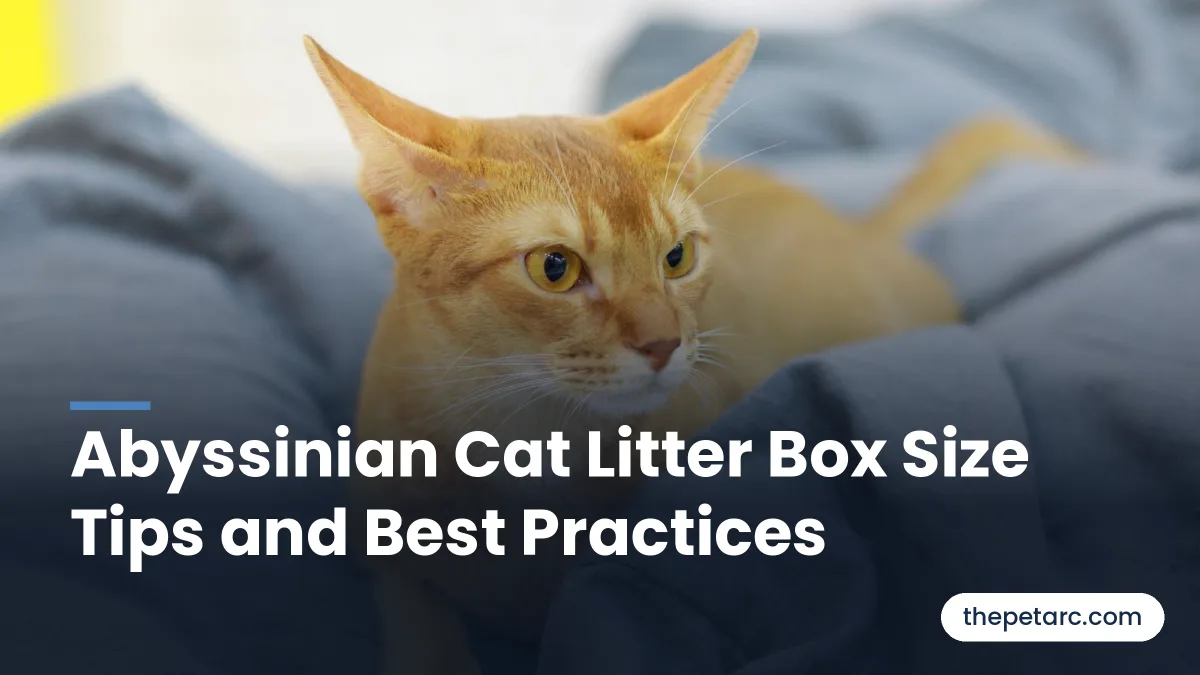
Abyssinian Cat Litter Box Size Tips and Best Practices
As an Amazon Associate we earn from qualifying purchases. Guides are for general information; always check your owner's manual and consult a qualified mechanic when unsure.
Finding the right abyssinian cat litter box size starts with one simple fact. Abyssinians are tall, lean, and full of energy. A small box will not work for this breed. You need to think like an athlete. Your cat needs room to move, turn, and dig without hitting the sides. A wrong size leads to mess and stress for both of you.
The wrong box creates big problems. A too-small pan traps odor and paws. A too-tall entry hurts joints. A covered box blocks airflow and traps dust. The right box solves all of this at once. It keeps your cat healthy and your home cleaner. Always follow official safety and maintenance guidelines for best results.
Before you buy, grab a tape measure. Your cat’s body dictates the box. A kitten needs a different pan than a senior. We will map each stage next. But first, know this: abyssinian cat litter box size is not about width alone. It is about length, height, and entry design working together.
The Abyssinian Body Blueprint: Why Standard Sizes Fail This Breed
Most pet stores sell a standard 18-inch box. That size works for a domestic shorthair. It fails an Abyssinian. This breed has long legs and a deep chest. Their bodies stretch further than the average cat. A standard box forces them to curl up in tight spaces. That causes discomfort and litter scatter.
Abyssinians also jump high and move fast. They dig with force. A short-sided box lets litter fly out with every kick. The box needs high walls to contain the mess. Yet those walls cannot block entry. An Abyssinian needs a low, clear path in and out. High sides and low entry must work as one unit. For complementary picks and expert testing advice, see our guide on How to Pick the Right Size Elevated Dog Bed.
Think of it like a shower stall. You want walls to stop water. But you need a low step-in to avoid slipping. The same logic applies here. A standard pan ignores the breed’s shape and energy. It treats all cats the same. Abyssinians demand a custom fit.
- Long Body: Standard 18-inch pans cut off their rear clearance.
- High Energy: Short walls let litter spray across the room.
- Lean Frame: Wide boxes waste floor space in small rooms.
- Joint Health: Tall sidewalls strain elbows during entry and exit.
Mapping the Ideal Dimensions: Length, Width, and Entry Height by Life Stage
Kittens, adults, and seniors each need different specs. A kitten box helps a young cat feel secure. The pan should be 16 inches long and 10 inches wide. The entry height can stay low at 4 inches. This setup supports growing bones and tiny paws.
An adult Abyssinian needs a jumbo-sized pan. Look for a box that is 22 inches long and 16 inches wide. The entry height should sit at 5 to 6 inches. This gives the cat room to turn and dig without waste.
A senior Abyssinian faces different risks. Arthritis can make high steps painful. Drop the entry height to 4 inches. Keep the length at 20 inches for easy movement.
Always check the plastic seams inside the box. Sharp edges from poor welding can cut paws. Run your hand along the base. If you feel a ridge, choose a better brand. Smooth surfaces protect sensitive Abyssinian toes.
- Kitten Box: 16 inches long, 10 inches wide, 4-inch entry.
- Adult Pan: 22 inches long, 16 inches wide, 5-inch entry.
- Senior Setup: 20 inches long, 15 inches wide, 4-inch entry.
- Seam Check: Run fingers inside to find rough plastic edges.
Your abyssinian cat litter box size must grow with your cat. A kitten pan becomes a backup box later. The adult pan serves the prime years. Plan for at least two boxes per cat at all stages.
Top-Entry vs. Open-Top: Solving the High-Jump Dilemma for Abyssinians
Top-entry boxes appeal to owners who hate litter scatter. The cat jumps into a hole on the lid. This works for many breeds. But Abyssinians are not many breeds. They are high-jumping athletes with fast reflexes.
A top-entry box can frustrate them. The small hole may feel tight. A high box forces them to leap up and down all day. That adds stress to their joints over time.
Open-top boxes give Abyssinians freedom of movement. They can step in without jumping. The wide opening suits their long bodies. You can pair an open box with high sidewalls. This combo stops litter from flying out. It also lets you see inside easily. You can spot messes or health issues fast.
A top-entry box may still work in some cases. Use it only if your cat is young and agile. Place it on a low step to reduce the jump height. But for most Abyssinians, an open-top, high-sided box wins. It respects their build and their drive to move.
- Open-Top Box: Best for Abyssinian body shape and low joint strain.
- Top-Entry Box: Use only for young, agile cats in low-traffic spots.
- High Sidewalls: Stop litter scatter without blocking the open path.
- Lid-Free Design: Lets you clean and inspect the box with ease.
Choose the box that fits the cat, not the room. An Abyssinian will avoid a box that feels wrong. The right abyssinian cat litter box size keeps them using it day after day. Watch for signs of avoidance. A cat going outside the box often means the box fails the test.
The Space Constraint Fix: Corner Units and High-Sided Options for Active Cats
Small homes need smart litter solutions. An Abyssinian needs room to turn. A tight space can cause stress. You must balance size with fit. The right box keeps your cat happy. A poor fit leads to messes. We have all faced this problem.
Corner units slide into tight spots. They save floor space in small rooms. High-sided boxes contain playful diggers. Active cats need walls to block scatter. Your Abyssinian will thank you for it. Let us look at the best options.
- Corner Entry Units: These fit tight spaces. They use dead space in room corners. The low front lip helps older cats. It also stops litter from spilling out. You save precious floor area. Your cat still gets a big box.
- High-Walled Open Tops: These stop scatter on active diggers. The tall sides block flying litter. They give your cat full freedom. No lid means no trapped smells. Cleaning stays quick and easy. It is the best of both worlds.
- Large Rectangular Open Boxes: Standard 18-inch boxes work well. They offer plenty of room to turn. Place them along a quiet wall. This gives your cat a clear view. It helps them feel safe while using it.
- Top-Entry High-Sided Hybrids: These combine high walls with a lid. The top hole adds a privacy layer. It also contains litter tracking better. You must ensure the entry hole is big. Your cat needs easy access inside.
Sizing Pitfalls That Trigger Avoidance: Mess, Joint Pain, and Escape Routes
A wrong size box causes big problems. Your cat may start avoiding it. Mess outside the box is a red flag. Joint pain can make entry hard. High sides can trap a senior cat. Kittens can also climb right out. We must fix these issues fast.
Small boxes limit movement and comfort. A cramped cat will not use it. High sides hurt older joints. Low sides let litter scatter far. A covered box can trap odors. That smell can also scare your cat away. We need to avoid all these traps.
- Low Side Traps: Low walls let litter fly out. Your Abyssinian digs with great force. The result is a messy floor. It also means more cleaning for you. A high-sided box stops this problem.
- High Entry Barriers: Tall sides hurt senior cat joints. Arthritis makes climbing painful. A low entry point solves this. It keeps the box easy to reach for life. You must check the entry height.
- Odor Traps in Covers: Covered boxes hold smells inside. That stale air puts off your cat. Open boxes let odors escape freely. They also let you spot messes fast. A clear view helps you clean right.
- Escape Routes for Kittens: Young kittens can climb out. A short box wall is not enough. They may fall and get scared. Use a low-entry kitten box first. Upgrade to a big box as they grow.
Measuring Your Abyssinian: A Step-By-Step Physical Assessment Protocol
You need real measurements for the right box. Do not guess the size. Grab a soft tape measure. We will walk you through the steps. This takes only a few minutes. Your cat will sit still for this. For complementary picks and expert testing advice, see our guide on How to Pick the Right Size Retractable Dog Leash.
Start by measuring your cat’s length. Then measure the sitting height. Add extra room for comfort. The goal is a perfect fit. A correct box stops all avoidance. Your cat will use it every time. Let us get those numbers now.
- Body Length: Measure from nose to tail base. Your cat must fit inside easily. Add four extra inches for turning space. This gives them room to dig. A tight box causes stress and mess.
- Limb Clearance: Measure the shoulder height. The box wall must clear this. High walls block jumping for some cats. Low walls help older cats step in. You want a comfy, joint-friendly entry.
- Weight Check: A heavy cat needs a sturdy box. Thin plastic cracks under heavy weight. Check the box material rating first. A thick plastic base holds up better. It also stops the box from sliding.
- Litter Depth Test: Pour in three to four inches of litter. Your cat should not hit the bottom. Deep litter supports their digging instinct. It also helps mask odors better. Adjust the depth after a test run.
Quick Reference: Abyssinian Litter Box Specs at a Glance
Common Questions About Abyssinian Cat Litter Box Size
What Is the Best Litter Box Size for an Adult Abyssinian?
An adult Abyssinian needs a box at least 24 inches long. The width should be 18 inches or more. This gives them room to turn and dig. High-sided open boxes work best for this active breed. The entry height should be 6 to 8 inches for easy access.
Can I Use a Covered Box for My Abyssinian?
- Yes: Yes, but choose a large covered box.
- Entry Hole: The entry hole must be wide and tall.
- Covered Boxes: Covered boxes trap odors that can scare your cat.
- They Also: They also reduce view for you to spot messes.
- Many Owners Prefer: Many owners prefer open tops for better airflow.
How Often Should I Replace My Abyssinian’s Litter Box?
Replace the box every 2 to 3 years. Scratches build up over time and harbor bacteria. A worn box can also become too small. Your cat may start avoiding a scratched-up box. Clean the box weekly with mild soap and water.
Do Abyssinians Need a Special Self-Cleaning Litter Box?
Self-cleaning boxes work well for busy owners. The mechanism must fit a large Abyssinian cat. Check the internal dimensions before buying one. Some models have small sensors that fail with big cats. A jumbo-sized self-cleaning box is often the best fit.
What Height Should the Litter Box Entry Be for Older Abyssinians?
Senior Abyssinians need a low entry point of 4 inches. Arthritis makes climbing high walls painful. A low entry helps them maintain independence. You can also use a ramp to assist them. The box should still be large enough to turn around in.
Material Matters: Plastic, Stainless Steel, and Disposable Options
The box material affects strength and smell. Plastic is the most common choice. It is light and easy to clean. But thin plastic scratches fast. Scratches hold onto bacteria and odor over time.
- Stainless Steel Boxes: Stainless steel boxes last much longer.
- They Do Not: They do not scratch or absorb smells.
- They Cost More: They cost more upfront.
- But They Pay Off: But they pay off over years of use.
- They Also Feel: They also feel cool and smooth.
- Many Cats Prefer: Many cats prefer that texture under their paws.
Disposable boxes work for busy homes. You simply toss them after a few weeks. They save you from deep cleaning. They also reduce odor buildup. But they lack the sturdiness of permanent boxes. Use them for travel or short-term needs only.
Pick a material that fits your routine. A heavy-duty plastic box balances cost and strength. A steel box suits owners who want strength. Avoid boxes with strong chemical smells. New boxes should be washed before first use. This removes dust and manufacturing residue.
Multi-Cat Homes: How to Size and Space Boxes Correctly
More cats mean more boxes. The rule is one box per cat. Add one extra box as a backup. This prevents guarding and waiting lines. Each Abyssinian needs their own space. A shared box can cause stress and avoidance.
- Place Boxes: Place boxes in different rooms.
- This Gives Each: This gives each cat a private spot.
- Keep Them Away: Keep them away from food and water.
- Cats Like: Cats like to separate their spaces.
- Quiet Corner: A quiet corner works best for most homes.
Match each box to the cat using it. A kitten needs a low-entry small pan. An adult needs a large high-sided box. Seniors need easy access and low walls. Do not swap boxes between cats. Each cat has unique body and comfort needs.
Watch for signs of conflict. A cat hissing near the box means tension. Add more boxes to reduce competition. Space them far enough apart. This gives each cat a safe route. The right setup keeps every cat calm and clean.
Litter Depth and Digging Behavior: Matching Box Size to Instinct
Abyssinians love to dig deeply. They bury waste with strong back paws. A shallow box leaves litter scattered. It also fails to mask odors well. You need enough depth to support this habit. For complementary picks and expert testing advice, see our guide on How to Pick the Right Size Dog Collar for Beginners.
- Fill the Box: Fill the box with three to four inches of litter.
- This Depth: This depth lets them dig without hitting the base.
- It Also: It also gives them room to crouch and dig.
- Too Little Litter: Too little litter causes paw discomfort.
- Too Much Litter Spills: Too much litter spills over the sides.
Choose a low-dust litter to protect lungs. Clumping litter makes scooping easier. It also keeps the box fresher longer. Avoid scented litters with strong chemicals. Many cats dislike the smell and avoid the box.
Test different textures to find your cat’s preference. Some Abyssinians like fine sand-like grains. Others prefer larger pellet styles. Watch how they dig and scratch. Adjust the litter type and depth as needed. A happy digger means a cleaner home.
Placement Tips: Where to Put the Box for Best Results
Location affects how often your cat uses the box. A hidden corner can feel safe. But it can also trap odors. A busy hallway may feel too loud. Cats need a quiet and private spot.
- Place the Box: Place the box away from loud appliances.
- Avoid Spots: Avoid spots near washing machines or dryers.
- Sudden Noises: Sudden noises can scare a cat mid-use.
- Calm Corner: A calm corner in a quiet room works best.
Keep the box on a flat surface. Uneven floors make the box wobble. A wobbly box can spill litter easily. It also makes your cat feel unsafe. Check the floor before you place the box.
Make sure the area has good airflow. Stale air builds up odor fast. Open doors help smells escape. A small fan can also improve circulation. A fresh space keeps your cat coming back.
| Cat Life Stage | Min Length | Min Width | Entry Height | Best Style |
|---|---|---|---|---|
| Kitten (under 1 year) | 18 inches | 14 inches | 4 inches | Low-entry open top |
| Adult Abyssinian | 24 inches | 18 inches | 6-8 inches | High-sided open top |
| Senior Abyssinian | 24 inches | 18 inches | 4 inches | Low-entry open top |
| Multi-Cat Home | 28 inches | 20 inches | 6 inches | Jumbo high-sided open |
Final Verdict and Buying Advice
Getting the abyssinian cat litter box size right changes everything. Your cat will use the box without stress. You will deal with less mess and odor. A proper fit supports their active, athletic nature.
Start by measuring your cat today. Then pick the box that matches those numbers. Small changes lead to big improvements. Your cat will show you thanks every day.
Take action now to fix any sizing issues. Check the entry height for your cat’s age. Upgrade to a high-sided box if litter scatters. A happy cat means a happy home. You have the tools to make it right. The right box is always worth the effort.






One Comment