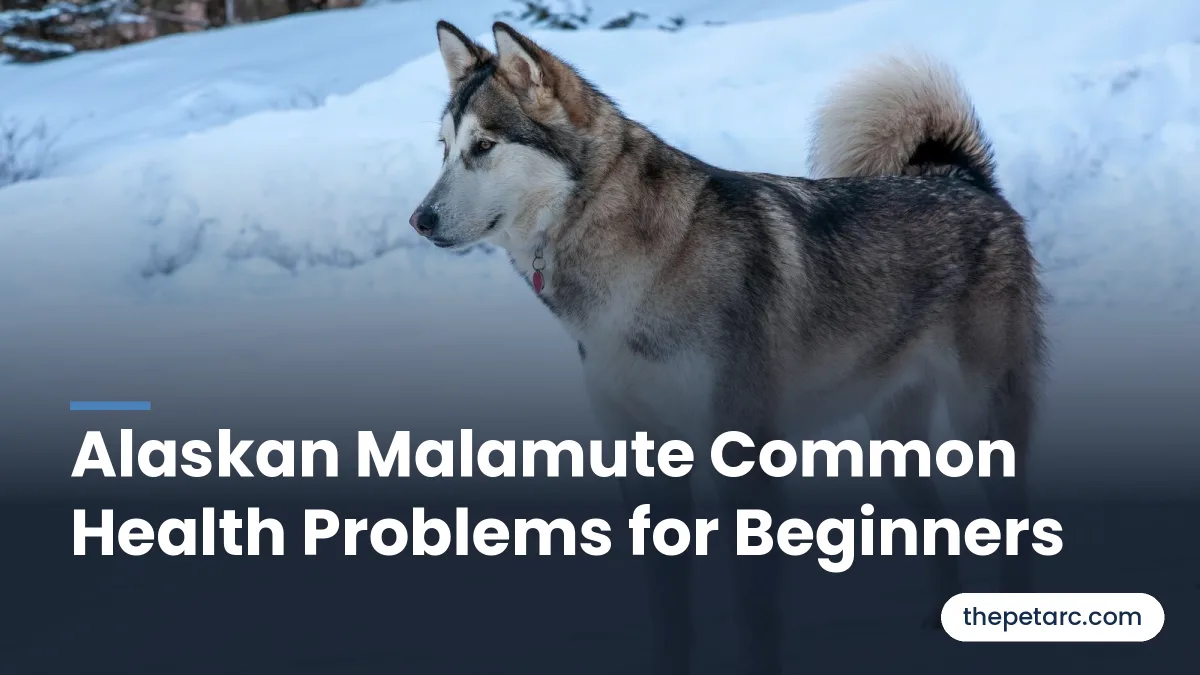
Alaskan Malamute Common Health Problems for Beginners
As an Amazon Associate we earn from qualifying purchases. Guides are for general information; always check your owner's manual and consult a qualified mechanic when unsure.
Alaskan malamute common health problems start with bone and joint issues. These dogs carry heavy frames. That puts stress on their hips and elbows. Many new owners miss early signs. A puppy may seem fine at eight weeks.
But problems can hide for months. You need to watch for slow growth. Limping after play is not normal. It often signals something deeper. Catching these signs early saves pain later. Always follow official safety and maintenance guidelines for best results.
Hip dysplasia ranks high on the list. It fits loosely in the joint socket. This causes wear and arthritis over time. Elbow dysplasia follows close behind. It mixes bone growth errors with pain. Both conditions need X-rays to spot. Vets use OFA or PennHIP tests. PennHIP gives a tight laxity score.
OFA grades hips on a scale. You want a good rating before breeding. These screens work best at two years old. A vet can’t fix what you can’t see.
Orthopedic and Skeletal Disorders in Alaskan Malamutes
Alaskan malamute common health problems often hit the skeleton. Chondrodysplasia stunts bone growth in pups. It affects the front legs most. Puppies with this condition look bow-legged. They may limp by eight weeks old. Many folks confuse it with normal play. But chondrodysplasia is a real genetic flaw.
It links to abnormal cartilage formation. Vets spot it on X-rays early. The condition does not get better with age. It gets worse as the dog grows. Pain management helps, but surgery can fix it. Early diagnosis keeps your dog moving well.
Hypertrophic osteodystrophy strikes fast. It swells the growth plates in young dogs. You will see fever and deep bone pain. The front legs often swell first. Your pup may refuse to walk. This problem pops up between three and five months. It ties to rapid growth spurts.
Large breeds face it most often. Vets treat it with rest and anti-inflammatories. Severe cases need hospital care. The dog may limp for weeks. Most pups grow out of it. But the pain hits hard during flares.
- Chondrodysplasia Signs: Bowed front legs and bunny-hop gait in young pups.
- Osteochondritis Dissecans: Flaps of cartilage break loose inside the joint space.
- Panosteitis Pain: Deep bone pain that shifts from leg to leg.
- Patellar Luxation: Kneecap slips out of place, causing sudden skipping steps.
Ask your vet for a full limb exam. They will check each joint for swelling. Palpation reveals pain you cannot see. X-rays show the exact bone shape. Puppies need these screens at eight weeks. Follow-up visits at twelve and sixteen weeks help too. A vet can track growth plate closure. This gives you a clear health baseline.
Home care plays a big role now. Limit stair climbing for young pups. Avoid high-impact jumps off furniture. Use rugs on slick floors. Short leash walks work best. Let your pup set the pace. Stop play if you see limping. Ice packs can ease mild swelling. Wrap them in a thin towel. Apply for ten minutes at a time.
Ophthalmologic Conditions Requiring Early Detection
Eye problems top the list of alaskan malamute common health problems. Cataracts cloud the lens early in life. They can show up as young as one year old. Not all cataracts cause blindness fast. Some grow slow and stay small. But dense cataracts block light to the retina. Surgery can restore sight in many cases. You need a vet eye specialist for this.
A regular vet may miss early lens changes. CERF exams catch these issues yearly. CERF stands for Canine Eye Registration Foundation. A board-certified ophthalmologist runs the test. It checks for hereditary eye diseases. Optigen labs also run genetic DNA tests. These tests spot the cataract gene markers. Breeding dogs must pass both exams.
Progressive retinal atrophy, or PRA, works differently. It eats away at the retina slowly. Night blindness hits first. Your dog bumps into furniture at dusk. The loss spreads to full daylight vision. PRA has no cure yet.
But genetic testing spots the gene early. You can manage the condition with care. Keep furniture layout fixed in your home. Use scent trails for safe navigation. A blind dog still lives a full life. Early detection gives you time to adapt.
- CERF Exam: Annual eye check by a vet ophthalmologist for breeding dogs.
- Optigen Test: DNA cheek swab that spots PRA and cataract genes.
- Early Cataracts: Lens opacity that starts in one eye, often by age one.
- PRA Management: Keep floors clear and use steady room layouts for blind dogs.
Watch your dog in dim light. Note if they hesitate at doorways. Cataracts often start as a slight haze. You may see a blue-gray sheen. This differs from the normal eye shine. PRA starts with poor night vision.
Your dog may avoid dark rooms. They may paw at their eyes. Both conditions need a specialist exam. A general check is not enough. Schedule the CERF test as a puppy. Repeat it every year after that.
At home, you can do simple checks. Shine a flashlight near the eye. The pupil should shrink quickly. A slow response signals a problem. Clear discharge is normal. Thick, colored discharge is not. Wipe the eye corners gently each day. This removes debris and reduces infection risk. Use a separate cloth for each eye.
Metabolic and Endocrine Disorders in the Breed
Alaskan malamute common health problems often include thyroid issues. Hypothyroidism hits this breed with notable frequency. The thyroid gland controls metabolism. When it slows down, dogs feel tired and gain weight. Skin and coat changes also appear early.
Owners may notice dry, flaky patches. The fur becomes dull and thin. Some dogs show behavioral shifts too. They may seem anxious or withdrawn.
A proper thyroid panel checks more than one value. Vets look at total T4 and free T4. They also measure TSH levels. A single T4 test can miss mild cases. Free T4 gives a clearer picture. TSH rises when the gland underperforms.
Together, these markers point to true disease. Treatment involves daily medication for life. Levothyroxine replaces the missing hormone. Most dogs improve within weeks. Regular blood work tracks dose needs over time.
- Thyroid Panel: Test T4, free T4, and TSH together for accuracy.
- Daily Medication: Levothyroxine given once or twice a day with food.
- Weight Watch: Track body condition weekly to catch metabolic shifts early.
- Skin Checks: Monitor coat texture and shedding patterns during grooming sessions.
- Repeat Labs: Re-test thyroid levels every six to twelve months after starting treatment.
Give the pill at the same time each day. Morning feeding works well for most dogs. Do not skip doses. Stopping suddenly can cause a crash. If you miss a dose, give it when you remember. Then shift the next dose by a few hours. Never double up to make up for a miss.
Watch for changes in energy levels. A tired dog may sleep more than usual. They may lose interest in walks. Weight gain can sneak up fast. Feel your dog’s ribs each week. You should feel them with light pressure. If you can’t, reduce the food portion. A lean body supports thyroid health.
Neurological and Neuromuscular Conditions
Polyneuropathy affects nerve function in malamutes. This condition damages peripheral nerves over time. Dogs show weakness in the hind legs first. They may stumble or knuckle over. The disease progresses slowly at first. Some dogs develop a changed bark too.
Laryngeal paralysis can accompany polyneuropathy. It affects the voice box muscles. Affected dogs breathe with a hoarse sound. Exercise intolerance becomes a red flag. A dog that tires fast needs a vet check.
Diagnosis requires a full neurological exam. Nerve conduction studies help confirm the issue. Cerebrospinal fluid analysis rules out other causes. Genetic testing now identifies some linked markers. No cure exists for most polyneuropathies. Management focuses on supportive care.
Physical therapy helps maintain muscle tone. Hydrotherapy offers low-impact exercise options. Owners should adjust home spaces too. Ramps and non-slip floors reduce fall risks. Keeping the dog at a lean weight eases joint stress.
- Nerve Testing: Electromyography and nerve conduction studies pinpoint damage location.
- Physical Therapy: Controlled leash walks and gentle range-of-motion exercises help.
- Hydrotherapy: Warm water treadmill sessions build strength without joint impact.
- Home Setup: Add rugs and ramps to prevent slips on hard floors.
- Weight Control: Lean body condition reduces strain on weakened limbs.
Start with short, gentle walks on flat ground. Avoid steep hills at first. Let your dog set the pace. Stop often to check their paws. Look for scrapes or swelling. A dog with nerve issues may not feel pain. They can hurt themselves without warning.
Massage helps boost blood flow. Use soft, slow strokes on the legs. This can ease muscle tension. It also helps you spot tender areas. A dog that flinches needs a vet visit. Work with a canine rehab therapist. They can design a safe home exercise plan. Small, daily efforts add up over time.
Gastrointestinal Emergencies and Preventive Management
Gastric dilatation-volvulus, or bloat, is a life-threatening emergency. The stomach fills with gas and twists. Blood flow to the stomach wall stops. Toxins build up fast. Large, deep-chested breeds face higher risk. Malamutes fall into this category.
A dog may retch without producing anything. The belly swells clearly. Restlessness and drooling appear suddenly. This is a vet emergency. You need immediate surgical intervention. Survival rates drop with each passing hour.
Prevention starts with feeding habits. Split meals into two or three small portions. Use a slow-feeder bowl to reduce air gulping. Avoid vigorous exercise one hour before and after meals. Stress also plays a role in bloat risk. Keep meal times calm and quiet.
Some vets recommend prophylactic gastropexy surgery. This procedure tackes the stomach to the abdominal wall. It prevents twisting during a gas episode. The surgery is often done during spay or neuter. Knowing the signs saves lives. Call your emergency vet at the first suspicion of bloat.
- Slow Feeder: Use a maze bowl to slow down fast eaters.
- Meal Timing: Split daily food into three smaller meals instead of one.
- Post-Meal Rest: Enforce a one-hour quiet period after every meal.
- Gastropexy: Discuss preventive stomach tacking surgery with your vet.
- Emergency Plan: Know your nearest 24-hour animal emergency clinic location.
Learn the early bloat signs. A dog may pace and whine. They may try to vomit with no success. The belly may look tight and round. Do not wait to see if it passes. Every minute counts in a bloat crisis. Drive to the nearest emergency clinic.
Keep a list of 24-hour vet clinics near you. Save it in your phone and on your fridge. Practice the route to the clinic. Know the fastest way to get there. A calm driver gets you there faster. Keep a travel crate in your car. It keeps your dog safe and still.
Comparing Alaskan Malamute Health Screenings
This table helps you plan your malamute’s health schedule. Each test has a purpose and a best age. Work with your vet to set a timeline.
| Screening Type | Purpose | Recommended Age | Frequency |
|---|---|---|---|
| OFA Hip Evaluation | Checks hip joint fit and socket depth | 2 years or older | Once before breeding |
| PennHIP Laxity Test | Measures joint looseness and arthritis risk | 4 months or older | Once, then as needed |
| CERF Eye Exam | Finds hereditary eye diseases early | 6 to 8 weeks, then yearly | Annual for breeding dogs |
| Optigen DNA Test | Spots PRA and cataract gene markers | Any age (cheek swab) | Once for breeding stock |
| Full Thyroid Panel | Tests T4, free T4, and TSH levels | 1 year or older | Every 6 to 12 months |
| Bloat Risk Review | Assesses deep-chested anatomy and risk | Puppy visit or spay/neuter | Once per life stage |
| Condition | Screening Method | Recommended Age | Frequency |
|---|---|---|---|
| Hip Dysplasia | OFA or PennHIP X-ray | 24 months | Once in lifetime |
| Thyroid Function | Full thyroid panel (T4, free T4, TSH) | 12 months, then yearly | Annually |
| Eye Health | CAER (CERF) exam by ophthalmologist | 12 months, then yearly | Annually |
| Polyneuropathy | Neurological exam and genetic markers | 6–12 months | As symptoms arise |
| Cardiac | Auscultation and echocardiogram | 12–24 months | Every 1–2 years |
Frequently Asked Questions
What Are the Top Alaskan Malamute Common Health Problems to Watch For?
Hip dysplasia, hypothyroidism, cataracts, and bloat top the list. Polyneuropathy also appears with some frequency. Regular screening catches these issues early.
How Often Should I Screen My Malamute for Health Issues?
Annual vet visits with blood work catch metabolic problems. Orthopedic and eye screenings follow specific age guidelines. Stick to the schedule your vet recommends.
Can Proper Diet Reduce Alaskan Malamute Common Health Problems?
Yes. A balanced diet supports joint, skin, and thyroid health. Slow feeders help prevent bloat. Weight management reduces stress on hips and elbows.
Are Genetic Tests Available for All Alaskan Malamute Conditions?
Not all conditions have genetic markers yet. Hip and thyroid issues rely on physical screening. Eye exams and cardiac checks remain key.
What Is the Most Serious Emergency in This Breed?
Gastric dilatation-volvulus, or bloat, is the most urgent threat. It requires immediate surgery. Knowing the signs gives your dog the best chance.
Final Thoughts and Next Steps
Managing alaskan malamute common health problems starts with knowledge. You now have the screening basics. You know the warning signs for bloat and thyroid issues. You understand how neurological conditions present. This information puts you ahead of many owners.
Prevention and early detection work hand in hand. Schedule your next vet visit with these points in mind. Ask about OFA, PennHIP, and CAER screening timelines. Request a full thyroid panel at annual exams. Discuss gastropexy options if your dog has deep-chested conformation.
Small daily habits make a big difference over a dog’s lifetime. Feed measured meals on a steady schedule. Provide calm rest after eating. Keep up with grooming to spot skin and coat changes. Maintain lean body condition through proper portion control.
These steps support joint health and metabolic balance. A watchful owner builds a strong partnership with their vet. Together, you give your malamute the best shot at a long, healthy life. Stay proactive, stay informed, and trust your instincts when something seems off.