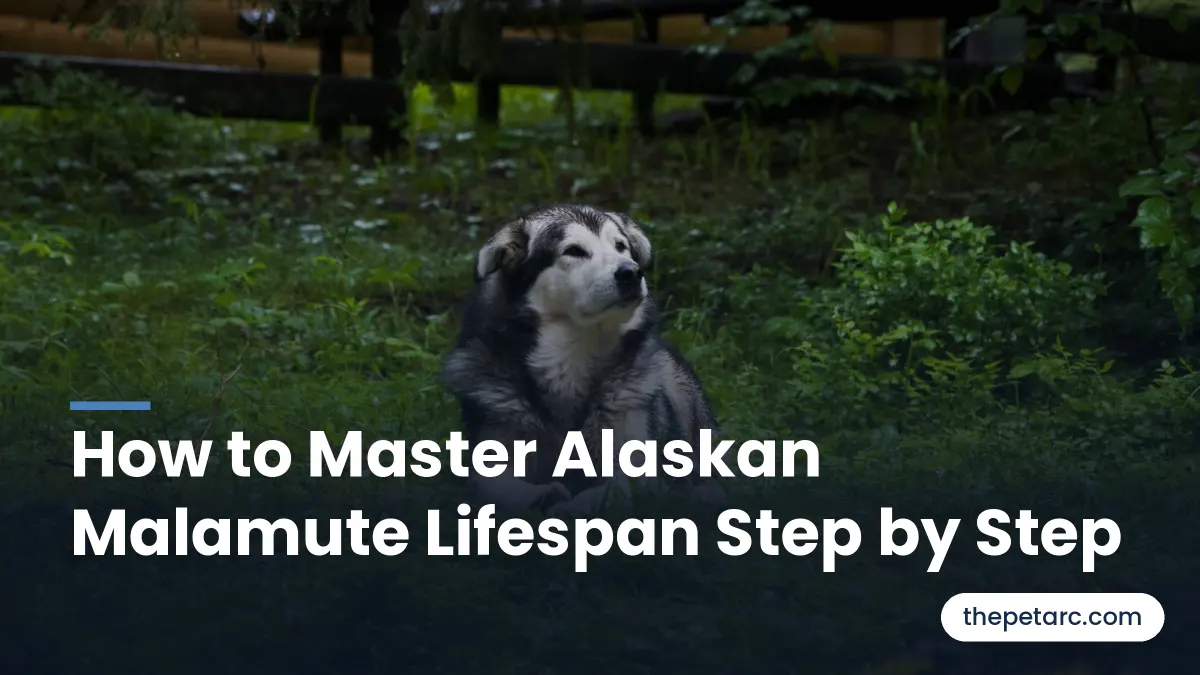
How to Master Alaskan Malamute Lifespan Step by Step
As an Amazon Associate we earn from qualifying purchases. Guides are for general information; always check your owner's manual and consult a qualified mechanic when unsure.
Your Alaskan Malamute is a big, strong dog with a thick coat and a loving heart. These dogs pull sleds and work hard in cold places. They also need a long, healthy life with you. The alaskan malamute lifespan depends on genes, care, and smart choices you make each day. We will look at how to help your dog live well for many years.
Most Malamutes live between 10 and 14 years. Some live longer with good health care. Others face early illness due to breeding or diet. The alaskan malamute lifespan is not just luck. It is shaped by what you do at home. The vet checks you keep up with. This guide gives you clear steps and real facts to follow. Always follow official safety and maintenance guidelines for best results.
We will cover genes, health risks, screening tests, food, and senior care. You will learn what to watch for at each age. You will also find tips to spot early signs of pain or illness. The goal is simple. You want your dog to stay happy and strong as long as possible.
The Genetic Blueprint Behind Alaskan Malamute Lifespan
Genes set the base for how long your Malamute will live. You can’t change DNA, but you can choose a pup from healthy lines. Good breeders test parents for known issues. They track health data from dog clubs and vet groups. This work helps lower the risk of early death in puppies.
Start by asking the breeder for OFA numbers. You want proof of hip, eye, heart, and DNA tests. Ask to see the parents in person if you can. A good breeder will welcome your questions. They will share health records without hesitation. You should feel confident in their honesty.
Look for a breeder who knows the breed deeply. They should explain why certain lines are chosen. They should also tell you about any health issues in their lines. A responsible breeder keeps puppies until at least eight weeks. This gives the pups time to learn social skills. It also lets them run and play with their littermates.
You can also check the Alaskan Malamute Club of America. They list breeders who follow a strict code of ethics. These breeders aim to improve the breed over time. They test for temperament, health, and working ability. Choosing such a breeder gives your dog a better start.
The alaskan malamute lifespan starts with the parents. If both dogs pass health screens, the pups have a better start. A dog with clean hips, clear eyes, and a strong heart often lives longer. You should ask any breeder for proof of these tests. Don’t trust a sales talk without papers to back it up.
- OFA Hip Certification: X-rays show if hips are tight or loose. Good scores mean less arthritis pain later.
- Eye Clearance Exam: A vet ophthalmologist checks for cataracts and retinal problems early.
- Cardiac Heart Check: A stethoscope and ultrasound spot heart defects before they cause harm.
- DNA Gene Panel: Swabs from the cheek find hidden disease genes that parents may carry.
- Chondrodysplasia Test: This checks for a bone growth issue that can shorten a Malamute’s life.
Hereditary Disease Thresholds That Shorten Alaskan Malamute Lifespan
Some health issues run deep in the Malamute family tree. These problems can cut years off your dog’s life if you miss them. Polyneuropathy is one that hits the nerves. It makes legs weak and clumsy. Chondrodysplasia changes how bones grow and causes pain. Both conditions need early vet care to manage them well.
Other issues like hypothyroidism slow the body’s engine. Cataracts cloud the eyes and can lead to blindness. Gastric dilatation-volvulus, or bloat, is a sudden emergency. The stomach fills with gas and twists. Without fast surgery, it can be deadly. Hemolytic anemia also attacks red blood cells and drains energy fast.
Each of these diseases has a threshold. That means signs appear at a certain point. You can’t always stop the genes from passing down. But you can catch them early and slow them down. The alaskan malamute lifespan gets longer when you act fast. Don’t wait for symptoms to get bad.
Watch for subtle changes in your dog’s movement. A slight limp or a delay in standing up matters. Note if your dog tires faster on walks. These small signs often point to a deeper issue. Keep a simple log of any changes you see.
Bloat is a true emergency that needs fast action. Signs include a swollen belly, dry heaves, and restlessness. Large, deep-chested breeds like Malamutes are at risk. Feed smaller meals more often to help lower the risk. Avoid heavy exercise right before and after meals.
Polyneuropathy often shows up in young adult dogs. You may notice paw knuckling or a weak stride. Muscle shakes can also be an early clue. A vet neurologist can run tests to confirm it. Nerve conduction studies give clear answers on nerve health.
Hypothyroidism is a slow, sneaky condition. It makes your dog gain weight for no clear reason. The coat may become dry, thin, and dull. Your dog may also seem tired and less playful. A full thyroid panel blood test will confirm the issue.
Cataracts can form in one or both eyes. You may notice a white film or a cloudy look. Some dogs adapt well at first. But over time, vision loss will affect their safety. A vet ophthalmologist can assess if surgery is an option.
- Polyneuropathy Signs: Look for paw knuckling, weak steps, or muscle shakes in young adults.
- Chondrodysplasia Clues: Bowed front legs or a short, stiff stride show up by one year old.
- Bloat Emergency: A swollen belly, dry heaves, or pacing after meals need a vet right away.
- Hypothyroid Fatigue: Weight gain, dry coat. Low energy often point to this slow gland issue.
- Cataract Clouding: A white film over the eye changes vision. Can lead to total blindness.
Diagnostic Protocols and Health Screening Timelines for Alaskan Malamutes
Health screens are not one-and-done tests. They happen at different ages to catch problems early. A puppy needs a full check-up by eight weeks old. You want to confirm hips, heart, eyes, and genes are clear. This first visit sets the baseline for the alaskan malamute lifespan path ahead.
Bring your puppy’s health records to each visit. Your vet will check weight, teeth, and ear health. They will also listen to the heart and lungs. A fecal test finds parasites that can drain a puppy’s energy. Vaccines start at this stage too, building early protection.
Adult dogs need yearly vet visits. Blood work, urine tests, and joint checks keep tabs on health. A vet cardiologist listens to the heart each year. A full chemistry panel checks liver and kidney values. Thyroid levels should also be part of this screen.
A canine geneticist can re-test if new DNA markers are found. The Orthopedic Foundation for Animals, or OFA, keeps records you can share with your vet. The Alaskan Malamute Club of America also lists top health tests you should not skip.
Senior dogs need more frequent visits. Blood panels every six months help spot organ changes early. You should track body condition score at home each month. A simple hands-on feel tells you if your dog is too heavy or too thin. Both extremes add stress to joints and organs. A PennHIP evaluation can also measure hip laxity more precisely than basic X-rays.
Create a simple health folder for your dog. Keep copies of all lab results and X-rays inside. Note each vet visit date and the doctor’s name. This file helps you spot trends over time. It also gives a new vet a full picture fast.
Use a calendar or app to remind you of each screen. Set alerts for annual heart checks and senior blood work. Staying ahead of the schedule keeps your dog safer.
- Puppy Baseline Panel: Complete a full exam, hip X-ray, eye test. DNA swab by ten weeks.
- Annual Adult Screen: Run blood chemistry, thyroid panel, and cardiac auscultation each year without fail.
- Senior Six-Month Visit: Add urine analysis, X-rays. A full joint mobility check every half year.
- CHIC Certification: Follow the Canine Health Information Center list for all breed-specific tests and records.
- Home Body Score: Use your hands to feel ribs and waist weekly. Log changes in a simple chart.
Nutritional Architecture and Body Condition Strategies for Longevity
Feeding your Alaskan Malamute right shapes their alaskan malamute lifespan in a big way. These dogs carry massive muscle mass. They need fuel that matches their power. A lean Malamute outlives an overweight one by years.
Start with a high-quality kibble or raw diet. Look for real meat as the first ingredient. Chicken, beef, salmon, or lamb all work well. Avoid foods with too many fillers like corn or soy. These add empty calories and can trigger allergies.
Protein supports strong muscles and repair. Fat gives your Malamute the energy they need for work. Omega fatty acids also keep the coat thick and shiny. Glucosamine and chondroitin help joints stay flexible. These are key for a large, heavy breed.
Measure every meal with a kitchen scale. Use grams for accuracy, not cups. A cup can vary in weight by a lot. Follow the food guide on the bag as a start. Then adjust based on your dog’s body condition.
Free-feeding is a bad habit for this breed. Malamutes will eat until they feel sick. Set meal times and stick to them. Most adults do well with two meals a day. Puppies may need three to four small meals.
Treats should be less than ten percent of daily calories. Use small, low-calorie training treats. You can also use a piece of their regular kibble. Skip table scraps, most fatty or salty foods.
Switch to a senior diet around age seven. Senior formulas have fewer calories and more joint support. They also include fiber for better digestion. This shift helps your dog stay lean and mobile.
Fresh, clean water must be available at all times. Check the bowl often, most in warm weather. Dehydration can hit large breeds fast. It also stresses the kidneys and organs over time.
- High-Performance Food: Choose diets rich in animal protein. Healthy fats to sustain energy without excess fillers.
- Joint Supplements: Glucosamine and chondroitin support aging joints and slow cartilage breakdown in heavy-boned breeds.
- Body Condition Score: Aim for a score of 4–5 out of 9 so ribs are felt but not seen.
- Senior Diet Shift: Switch to senior canine diet formulas around age 7 to match slower metabolism.
- Portion Control: Measure meals with a scale or cup. Free-feeding leads to weight gain in this breed.
Environmental Management and Cognitive Health in Aging Alaskan Malamutes
Your dog’s surroundings shape their mind as they age. A bored Malamute develops bad habits fast. They chew, dig, and pace from frustration. Mental enrichment keeps their brain sharp into old age.
Cognitive dysfunction syndrome hits older dogs like a fog. Signs include confusion, pacing at night, and lost training. Environmental management can slow this decline. You can build routines that challenge their mind daily.
Start with simple changes around the house. Place puzzle toys in spots your dog visits each day. Rotate these toys every few days so they stay fresh. A worn-out toy loses its power to engage the mind.
Scent work is a great way to wake up the brain. Hide a treat under a cup or in a corner. Let your dog use their nose to find it. This taps into their natural tracking instincts.
Daily walks also help keep the mind sharp. Walk on new paths to offer fresh smells and sights. A Malamute loves to explore and lead the way. Let them sniff long and pause often. This mental load is as tiring as physical exercise.
Keep a cool, quiet space for your dog to rest. Heat stresses giant breeds with thick coats. A cool floor or a damp towel can help. Make sure their bed is easy to get into. Older dogs with joint pain struggle with high sides.
Stick to a daily routine as your dog ages. Feed at the same times each day. Keep walks at a steady pace. Predictable routines lower stress and confusion. They help your dog feel safe and calm.
Social time matters too. Gentle play with calm dogs keeps their social skills sharp. Avoid rough play that could hurt aging joints. A calm, friendly match is best for older dogs.
- Puzzle Toys: Stuffed Kongs and treat balls force problem-solving that exercises aging neural pathways.
- Scent Work: Hide treats in grass or boxes to engage their strong nose and natural tracking instincts.
- Rotating Toys: Swap toys every few days so novelty keeps curiosity and engagement high.
- Daily Walks: New routes expose your dog to fresh smells, sounds. Social stimuli each day.
- Cool Sleeping Area: Provide a cool, well-ventilated space; heat stresses giant breeds with thick coats.
End-Of-Life Planning and Quality-Of-Life Metrics for Alaskan Malamutes
Facing the end with your Malamute is hard. But planning ahead gives you clarity. It helps you make kind, clear decisions. Quality-of-life metrics guide you through this tough process.
The HHHHHMM scale is a solid tool. It checks pain, appetite, hydration, hygiene, mobility, and joy. Scoring each area helps you see the full picture. You will know when comfort fades. This is where honest alaskan malamute lifespan conversations with your vet begin.
Pain is often the hardest sign to spot. Dogs hide discomfort by nature. Watch for limping, panting at rest, or hiding. A dog in pain may also growl or snap when touched. Your vet can offer pain meds or joint support.
Appetite changes tell you a lot about your dog’s health. A dog that refuses food for over two days needs care. Offer soft, warm food to spark interest. If they still won’t eat, call your vet right away.
Hydration is easy to check at home. Lift the skin on the back of the neck. If it stays tented, your dog may be dehydrated. Dry gums are another sign. Your vet can teach you how to give fluids at home.
Mobility loss changes daily life in big ways. A dog that can’t stand needs help with every step. You may need a sling or a cart. These tools can give your dog more freedom.
Joy is the last thing to fade. A dog that no longer wags their tail or greets you may be ready to rest. This is a very hard thing to see. But it helps you know when to focus on comfort.
Your vet can guide you through palliative care options. Hospice care for dogs focuses on comfort, not cure. Making the final call is never easy. But it is the last act of love you can give.
- Hurt Scale: Assess pain levels; persistent discomfort unmanageable by medication signals declining welfare.
- Eating Ability: Track food intake closely. Refusal of food for over two days demands vet attention.
- Hydration Check: Skin tenting and dry gums show dehydration; subcutaneous fluids can help at home.
- Mobility Score: Watch for inability to stand or walk. Loss of leg function changes care needs.
- Joy Metric: Note tail wags and eye contact. Loss of happy interaction often precedes the final decision.
What Shapes Alaskan Malamute Lifespan Most?
Genetics, disease screening, diet, and space all shape how long your Malamute lives. No single factor controls the outcome. You build lifespan through daily care choices and vet partnership.
Start with a healthy puppy from a tested line. Keep up with yearly and senior screens. Feed a lean, high-quality diet with joint support. Offer mental and physical enrichment every single day. These steps give your dog the best chance at a full life.
Track changes in behavior, movement, and appetite. Small shifts often hint at big health issues. A quick vet visit can catch a problem early. Early action often adds years to your dog’s life.
Build a team you trust. Find a vet who knows the breed. Ask questions and take notes at each visit. Your dog’s health journal is a strong tool. It gives you a clear view of their alaskan malamute lifespan journey.
What Is the Average Alaskan Malamute Lifespan?
- Typical Alaskan Malamute: The typical alaskan malamute lifespan ranges from 10 to 14 years.
- Some Dogs Reach: Some dogs reach 15 or beyond with excellent care.
- Genetics and Disease: Genetics and disease prevention play big roles in hitting that range.
What Diseases Shorten an Alaskan Malamute’s Life Most?
Hip dysplasia, polyneuropathy, chondrodysplasia, and heart disease top the list. Cataracts and progressive retinal atrophy affect quality of life. Early screening through OFA and PennHIP helps catch problems before they advance.
How Can I Keep My Malamute at a Healthy Weight?
Measure every meal and track body condition score weekly. Switch to senior formulas around age seven. Limit treats to under ten percent of daily calories. Joint supplements support mobility so exercise stays easy.
When Should I Start End-Of-Life Planning with My Vet?
Start the conversation when your dog turns 10 or shows age-related changes. Discuss quality-of-life scales and palliative care options early. Knowing the path ahead removes panic when tough decisions arrive.
Does Mental Enrichment Really Extend a Malamute’s Life?
Yes, it helps meaningfully. A stimulated brain delays cognitive dysfunction syndrome. Daily walks, puzzle toys, and scent work keep your dog engaged and happy. Mental health feeds directly into overall well-being and lifespan.
| Stage / Task | Key Action to Take | Recommended Frequency | Priority |
|---|---|---|---|
| Initial Setup & Prep | Clear workspace, inspect parts, and check baseline settings | Before Each Session | Easy |
| Surface & Filter Care | Wipe exterior surfaces and rinse or tap out dust traps | Weekly | Easy |
| Deep Part Inspection | Check seals, moving joints, and air paths for wear | Monthly | Moderate |
| Full Consumable Check | Replace worn belts, filters, or seals to keep peak power | Every 6 Months | High |
Final Thoughts and Next Steps
Caring for an Alaskan Malamute is a long, rewarding journey. You now know what shapes their alaskan malamute lifespan from genes to food to space.
Every choice you make at the bowl, the vet, and the trail builds years. Use the screening timelines and body condition checks we covered. Stay ahead of disease, not behind it. Your dog counts on you for these decisions.
Keep a health journal for your Malamute from puppyhood onward. Track weight, vet visits, screening results, and any behavior shifts. Share this record at every appointment so your vet sees the full story. Then you will walk into each year with confidence and clear next steps. That is how you give your big, brave dog the longest, happiest life possible.






3 Comments