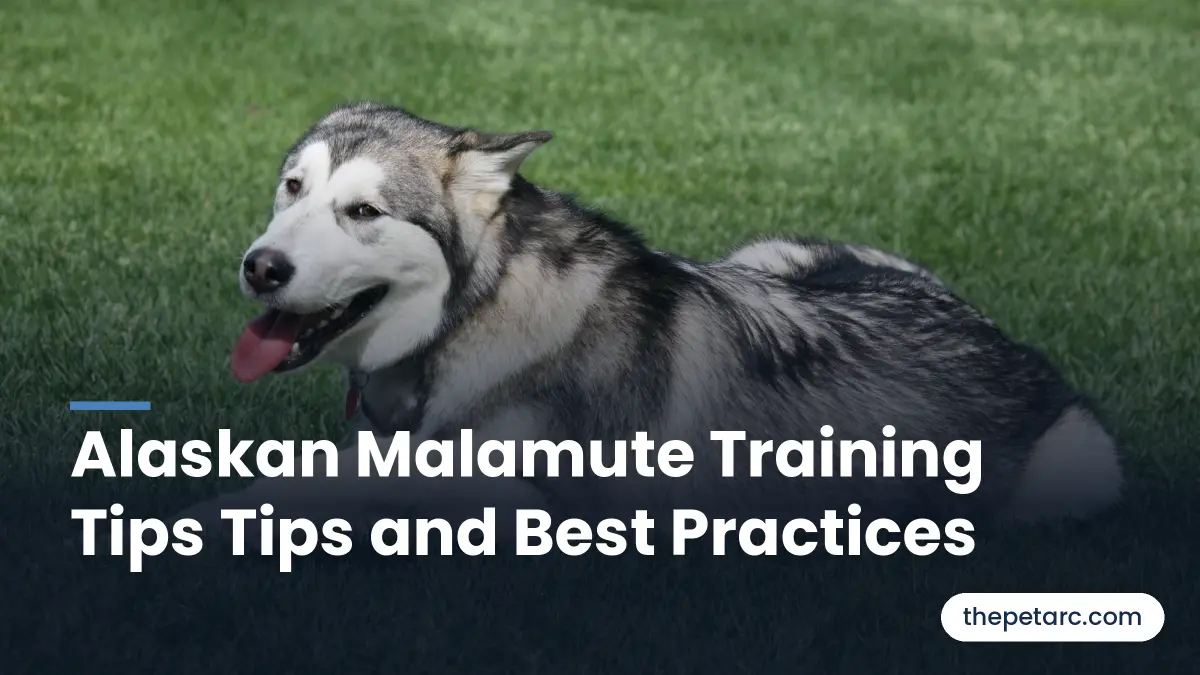
Alaskan Malamute Training Tips Tips and Best Practices
As an Amazon Associate we earn from qualifying purchases. Guides are for general information; always check your owner's manual and consult a qualified mechanic when unsure.
Alaskan Malamutes are strong, smart, and full of will. They need clear guidance from day one. Good alaskan malamute training tips start with knowing their nature. These dogs were bred to pull heavy loads over long miles. They work as part of a team, not alone.
Without a job, they will find their own fun. That fun often means torn furniture or dug-up yards. You must lead with calm confidence. Your dog looks to you for direction. This guide shares real, practical steps for success. Always follow official safety and maintenance guidelines for best results.
Why Alaskan Malamute Training Tips Demand a Pack-Leader Mindset
Malamutes are pack animals. They look for a leader in every situation. If you do not step up, they will take charge. This can lead to disobedience and even aggression. You must show calm, steady authority.
Yelling or hitting will backfire badly. These dogs have a high pain tolerance. Physical force can cause fear or shutdown. Instead, use clear rules and fair rewards. Your dog will respect you more this way. For complementary picks and expert testing advice, see our guide on How to Master Alaskan Malamute Drooling Step by Step.
Think of it like a ship with a captain. The crew works best when the captain knows the route. You set the rules, and your dog follows. This bond builds trust over time. It stops power struggles before they start. A strong leader makes all the difference.
Lead with body language first. Stand tall but relaxed. Avoid direct staring, which can feel like a threat. Use slow, deliberate movements. Your dog reads your posture before your words.
Feeding time is a great test. Ask for a sit before you put the bowl down. This small act shows who controls the resources. It builds respect without any force at all.
- Calm Authority: Speak softly and mean what you say.
- Clear Rules: Keep commands simple and steady every time.
- Fair Rewards: Use treats and praise for good choices.
- No Force: Avoid physical punishment that breaks trust.
- Daily Leadership: Lead during walks, meals, and play.
Good alaskan malamute training tips always start here. You must own the role of leader. Your dog will feel safer and act calmer.
Essential Alaskan Malamute Training Tips for Puppies and Adolescents
Start training the day your puppy comes home. Young dogs learn fast, but they have short attention spans. Keep sessions to five or ten minutes. Make it fun with games and treats. Socialization is huge during this stage.
Let your puppy meet new people and dogs. Handle their paws, ears, and mouth often. This builds comfort with handling later on. Crate training works well for Malamutes too. It gives them a safe, personal space.
Adolescence can be tough. These dogs test limits around six to eighteen months. They may ignore commands or drag you on walks. Stay patient and stay steady. Never skip rules, even when it is annoying. Short, daily practice beats one long session. You will build a rock-solid foundation this way.
Use the name game to build focus. Say the name once in a happy voice. The moment the dog looks at you, mark it with a yes. Then give a small treat. This teaches them to check in with you.
Start with the sit command first. Hold a treat near the nose. Move it up and slightly back. The bottom will drop naturally. Say sit the moment it happens. Reward right away. This creates a clear link between the word and the action.
- Short Sessions: Train for ten minutes, two times a day.
- Socialization: Introduce new sounds, places, and faces often.
- Crate Setup: Make the crate a happy, safe den.
- Name Game: Teach them to look at you on name call.
- Sit First: Use the sit command before meals and walks.
These alaskan malamute training tips help you build good habits early. A well-taught puppy grows into a balanced adult dog.
Solving Leash Reactivity and Pulling with Alaskan Malamute Training Tips
Malamutes have a strong pulling instinct. It is in their DNA as sled dogs. A regular collar and leash will not stop them. They can easily pull you right off your feet.
You need the right gear and a solid plan. A front-clip harness helps redirect their energy. It takes the power off their chest and shoulders. Pair this with heelwork training for best results.
Leash reactivity is another common issue. Many Malamutes bark or lunge at other dogs. This often comes from fear or over-excitement. You must teach them to focus on you. Start in a quiet place with few distractions.
Reward them for making eye contact. Gradually add more challenges as they improve. Keep your training sessions positive and short. Never yank or jerk the leash hard.
Teach the heelwork step by step. Start inside your home with no leash. Walk a few steps. Say heel in a calm voice. Reward any time they stay near your side. Add the leash only after they get it indoors.
Use the look at me cue to break focus on triggers. Say the name or look. The instant they turn to you, mark and reward. This builds a reflex to check in. Over time, they will choose you over distractions.
- Front-Clip Harness: It redirects pull force safely to the side.
- Heelwork Practice: Teach them to walk at your side calmly.
- Look at Me: A solid focus cue stops reactivity fast.
- Quiet Zones: Start training in low-distraction areas first.
- High-Value Treats: Use real meat to win their attention.
These alaskan malamute training tips make walks safer and more fun. You will enjoy being outside together again.
Advanced Alaskan Malamute Training Tips for Sled Work and Weight Pulling
Alaskan Malamutes carry a deep need to pull. That drive comes from their sled dog past. You can channel it into fun sports. Weight pulling builds muscle and focus. It also burns energy in a healthy way.
Start with a proper harness. A well fit harness spreads force across the chest. Never use a flat collar for heavy pulls. It can hurt the neck. Pick a padded, sturdy design made for working dogs.
Build the foundation before adding weight. Teach your dog to pull a light drag. Let them get used to the feel of the harness. Use a voice cue like hike to start. Whoa means stop and stand still. Reward each new step with calm praise.
Add weight very slowly. Start with just a few pounds. Increase by no more than ten percent each week. Watch the stride and posture closely. A healthy dog pulls with a straight back and steady pace.
- Harness Fit: Check the girth twice before each session.
- Weight Load: Begin with light resistance and add slow.
- Surface Choice: Train on grass or soft ground first.
- Team Size: Start with one dog before adding others.
- Cool Down: Walk slow for five minutes after each pull.
Sled work needs more than strength. Your Malamute must learn to follow voice cues. Commands like hike and whoa build a clear line of talk. Practice in a safe, open area first. Add distractions only after basics feel solid.
Keep a training log for each session. Write down the weight used and the distance covered. Note any signs of fatigue or reluctance. This record helps you spot patterns early. It also keeps your progress steady and safe.
Preventing Destructive Behavior Using Alaskan Malamute Training Tips
Malamutes chew when they get bored. That habit can wreck your home. The key is to give them a job. A tired dog chews less. A busy dog stays calm. For complementary picks and expert testing advice, see our guide on Alaskan Malamute Common Health Problems for Beginners.
Use puzzle toys to spark their mind. A Kong filled with frozen peanut butter works well. It keeps the jaw busy for long stretches. Rotate toys each day to keep things fresh. New shapes and textures hold their attention longer.
Set up a daily enrichment schedule. Morning exercise, a training session, and a chew toy work well together. This routine gives the dog a clear job list. It cuts down on restless energy by a lot.
Split anxiety drives many bad habits. Malamutes are pack dogs. They hate being left alone for long spans. Start with short absences and build up slow. Leave a worn shirt with your scent on it.
Create a pre-departure routine. Pick up keys, then sit for a minute. Put on shoes, then give a chew toy. This breaks the link between your leaving and stress. The dog learns that absences are normal and short.
- Kong Stuffing: Mix kibble with wet food and freeze it.
- Chew Options: Offer sturdy rope or thick rubber bones.
- Daily Exercise: Aim for one hour of active play.
- Rotate Toys: Swap items every two to three days.
- Safe Space: Use a crate when you can’t watch.
These alaskan malamute training tips help you save your home. A tired mind and body make a calm dog.
Health and Safety Boundaries in Alaskan Malamute Training Tips
Training should never cause pain. Malamutes have a high pain tolerance. They may hide injuries until they get bad. Watch for small signs like limping or low energy. Stop any drill that makes your dog shy away.
Joint health matters a lot for this breed. Their heavy frame puts stress on hips and elbows. Keep sessions short on hard surfaces like pavement. Grass and dirt are kinder on their joints. A vet check before starting a new sport is a smart move.
Watch for subtle signs of strain. A slight limp that comes and goes is a red flag. Reluctance to jump into the car is another. Any change in gait needs a rest day and a vet look.
Hydration plays a big role in safety. Malamutes can overheat fast. Offer water breaks every 15 minutes during active training. Learn the signs of heat stress. Heavy panting and drooling mean stop and rest right away.
Warm up the muscles before hard work. A slow five minute walk gets blood flowing. It loosens the joints and preps the body. Cool down the same way after each session. This simple habit cuts injury risk a lot.
- Joint Screen: Ask your vet about hip and elbow checks.
- Surface Rules: Train on soft ground to save joints.
- Session Length: Keep work to 20 or 30 minutes.
- Weather Limits: Skip intense work in high heat.
- Warm Up: Walk slow for five minutes before hard effort.
These alaskan malamute training tips protect your dog for life. A safe routine builds trust and keeps them moving strong.
Building a Daily Training Routine That Sticks
Steadiness beats intensity every day. A short, daily session works better than one long weekly drill. Set a fixed time that fits your schedule. Morning and evening work well for most owners.
Start each session with a calm check-in. Ask for a sit before you begin. This signals that it is work time. Keep the tone even and upbeat. No anger, no rushing.
Use a simple three step structure. First, review a known command. Second, teach one new skill. Third, end with a fun game. This keeps the dog engaged and eager to learn.
Track your progress in a small notebook. Write down what worked and what did not. Note any new distractions or regressions. This log helps you adjust the plan over time. It also shows small wins that keep you motivated.
End every session on a positive note. Finish with a command your dog knows well. Reward them warmly. This builds a happy association with training. They will look forward to the next session.
- Fixed Time: Train at the same hour each day.
- Three Step Plan: Review, learn, play.
- Progress Log: Note wins and struggles weekly.
- Calm Start: Begin with a sit and deep breath.
- Happy Ending: Close with a known success and treat.
These alaskan malamute training tips turn effort into habit. A steady routine builds a well mannered dog over time. For complementary picks and expert testing advice, see our guide on How to Master Akita Puppy Checklist Step by Step.
Common Mistakes That Derail Alaskan Malamute Training
Even experienced owners make avoidable errors. One common mistake is repeating commands. Saying sit sit sit teaches the dog to ignore you. Say the word once, then wait and reward.
- Another Error: Another error is training in chaotic spots too soon.
- Start in a Quiet: Start in a quiet room.
- Master the Skill: Master the skill there first.
- Then Move: Then move to the yard.
- Try It: Finally, try it on a busy street.
- Each Step Builds: Each step builds a stronger understanding.
Skipping socialization is a big one. Malamutes can become wary or reactive without it. Expose them to gentle people, calm dogs, and new sights. Keep each new use positive and low pressure.
Inconsistent rules confuse dogs fast. If jumping up is bad, it must be bad every time. All family members must follow the same plan. Mixed signals slow progress and cause frustration.
Finally, do not expect too much too fast. Malamutes are smart, but they are not robots. Set small, clear goals. Celebrate each step forward. Patience is your most strong tool in this journey.
Frequently Asked Questions
Can You Teach an Alaskan Malamute to Pull a Sled?
Yes, you can. Start with a light drag sled. Let your dog drag it without weight first. Build up weight slow over weeks. Always watch for signs of strain or fatigue.
What Age Should You Start Weight Pulling?
Wait until at least two years old. Growing joints can’t handle heavy loads before then. Light pulling with no weight can start at one year. Ask your vet to clear your dog first.
Do Alaskan Malamutes Need a Prong Collar for Pulling?
No, prong collars can hurt this breed. They have thick necks and high pain tolerance. A well fit front-clip harness works much better. It gives control without risking injury.
How Do You Stop a Malamute From Digging Under Fences?
Fill digging spots with buried rocks or chicken wire. Give them a designated dig pit as an alternative. Increase daily exercise so they have less energy to spare. Supervise yard time until the habit stops.
Are Alaskan Malamutes Hard to Train for Beginners?
They can be. Their independent streak makes them think for themselves. You need firm, fair rules from day one. If you feel stuck, a pro trainer who knows working breeds helps a lot.
Final Thoughts and Next Steps
Good alaskan malamute training tips start with patience and clear rules. You must lead as a calm pack guide. Give your dog a job, a daily run, and brain games. These steps stop bad habits before they start. Keep sessions short and end on a win every time.
Your Malamute will thrive with a mix of work and play. Pulling sports, puzzle toys, and long walks all matter. Watch for signs of stress or pain each day. Adjust your plan as your dog grows and learns. A well trained Malamute becomes a strong, joyful partner for life.






2 Comments