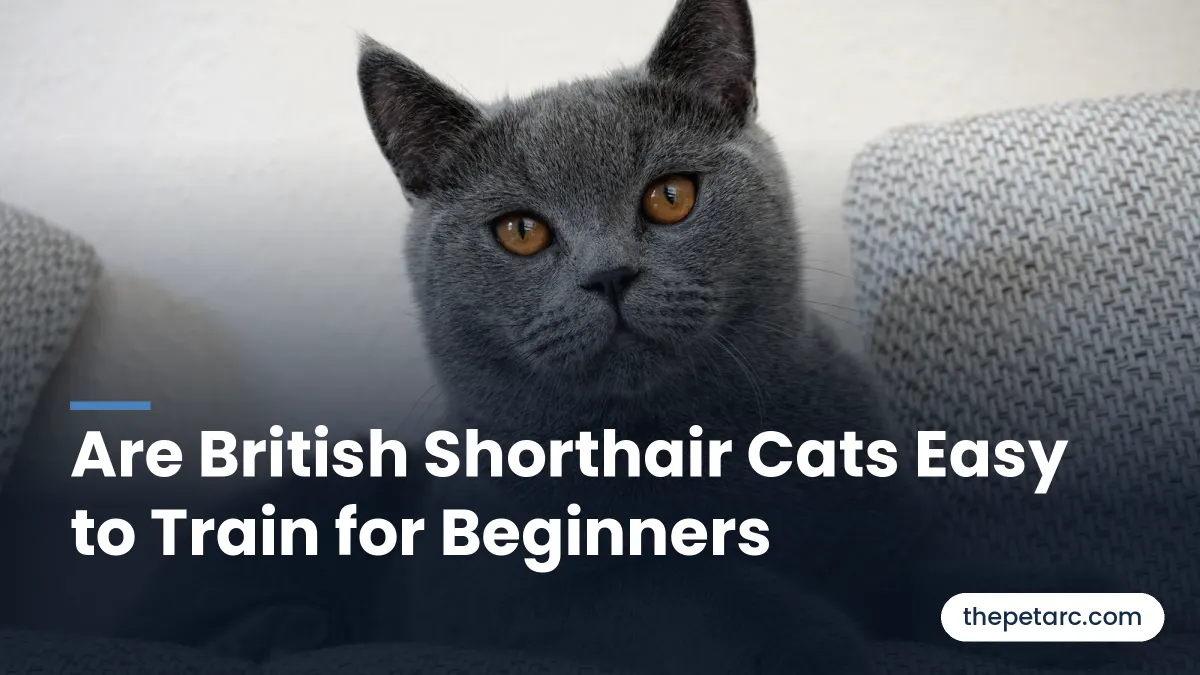
Are British Shorthair Cats Easy to Train for Beginners
As an Amazon Associate we earn from qualifying purchases. Guides are for general information; always check your owner's manual and consult a qualified mechanic when unsure.
Training a British Shorthair is a unique journey. These cats are calm and steady. They are not pushovers. They think before they act. This makes their training path different from other breeds. Always follow official safety and maintenance guidelines for best results.
So, are british shorthair cats easy to train? The answer is not a simple yes. They are smart. But they are also independent. They will not do tricks just to please you. You must make it worth their while.
These cats prefer routine and calm. Loud voices or fast moves stress them out. A stressed British Shorthair will shut down. Patience is your main tool here. You cannot rush this process.
Decoding British Shorthair Intelligence and Learning Capacity
British Shorthairs are smart cats. But their intelligence looks different from a dog’s. They solve puzzles to get food. They learn where things go. They watch you carefully. They store this info for later.
They can learn commands. They can link words to actions. Yet they often ignore you on purpose. This is not stupidity. It is their nature. They weigh their options. They choose the path of least effort. This is key to understanding their mind. For complementary picks and expert testing advice, see our guide on Are Bengal Cats Easy to Train Tips and Best Practices.
Clicker training works well with them. The click sound marks the right move. It gives them clear feedback. They soon learn what the click means. This speeds up the process. But you must be steady. The click must always mean a treat is coming.
- Clicker Use: A sharp sound marks good acts.
- Food Drive: They work hard for tasty rewards.
- Problem Solving: They figure out puzzle toys fast.
- Memory: They remember routines for a long time.
Do not expect them to fetch all day. They will get bored fast. Short, fun sessions keep them engaged. You want their brain working. A tired mind is a happy mind.
To deepen their learning, add a new step each week. Start with a simple target stick. Teach them to touch it with their nose. Once they master that, add a verbal cue. Say “touch” as they nose the stick. Reward them the moment they make contact. This builds a clear link between word and action. Over time, you can shape more complex moves. For example, spin in a circle or high five. Break each trick into tiny steps.
Reward any small progress along the way. This method is called shaping. It works very well with this breed. They like to figure things out. Give them a puzzle to solve. Place a treat under a cup. Let them watch you move it. Then let them find it. This builds confidence and curiosity.
The Critical Socialization Window: Kitten vs Adult Training Outcomes
Age changes everything when you train. Kittens learn fast. Their brains are like sponges. They soak up new habits. This is the best time to start. A kitten learns what is normal. It builds trust and confidence.
Adult British Shorthairs can still learn. But the path is steeper. They have set ways. They may fear new things. You must move slower. Trust takes longer to build. But it is not impossible. Many adults learn great tricks. You just need more patience.
Kittens also learn bite and scratch limits. This is vital early on. An adult cat with bad habits is harder to fix. Early socialization prevents this. Handle their paws and ears gently. Let them meet new people and sounds. This builds a calm, flexible cat.
- Kitten Brain: Young cats learn new acts fast.
- Adult Habits: Old cats need slow, gentle steps.
- Social Time: Early handling builds deep trust.
- Fear Factor: Adult cats may fear new tools.
Are british shorthair cats easy to train at any age? Yes, with the right plan. Kittens need short play-based lessons. Adults need low-stress, slow introductions. Match your method to their age. This gives you the best results.
For kittens, aim for two short sessions a day. Each should last only three to five minutes. Use toys to make it feel like play. A feather wand can become a training tool. Wiggle it, then ask for a simple sit. Reward them with a tiny treat. This links fun with learning. For adults, start with one session a day.
Keep it under ten minutes. Watch their body language closely. If they walk away, let them go. Never chase or corner them. You want them to choose to stay. This builds a sense of control. It makes them more willing to try again.
Proven Training Methodologies for British Shorthair Cats
Positive reinforcement is the best path. This means rewarding good acts. Treats, praise, and play all work. Never punish a British Shorthair. They do not link punishment to bad acts. They only link it to you. This breaks trust. Trust is your main training tool.
Litter training is usually easy for them. They are clean cats by nature. Give them a quiet, easy-to-reach box. Keep it spotless. Most kittens learn fast. You just need to show them the spot.
Leash training takes more work. Start with a harness indoors. Let them wear it for short times. Add the leash later. Reward them for walking with you. Do not pull or drag them. This builds a bad link to the harness.
- Positive Rewards: Treats make them repeat good acts.
- Litter Setup: A clean box stops accidents.
- Harness First: Indoor wear builds comfort slowly.
- No Punishment: Scolding kills trust fast.
Steadiness is the secret sauce. Use the same words each time. Train at the same time daily. All family members must follow the rules. A British Shorthair thrives on predictability. Clear rules make them feel safe. A safe cat is a willing learner.
To make your training even stronger, build a daily routine. Train right before a meal. A hungry cat is more food motivated. Keep a small jar of high-value treats nearby. Use a special pouch or pocket. This makes the treats easy to grab fast. Mark the exact moment of success with a click or a clear word like “yes”. Then give the treat within two seconds.
This tight timing helps them connect the act to the reward. If you miss the moment, they may not make the link. Also, change up the rewards to keep things fresh. Try a tiny bit of cooked chicken or a commercial treat. Some cats love a special toy more than food. Find what drives your cat. Use that as their top reward for hard tasks. Save everyday kibble for easy, known behaviors.
Common Training Failure Points and How to Avoid Them
Many owners push too hard too fast. They expect quick results. That mindset causes frustration. It also scares the cat. British Shorthairs need slow, steady steps. They don’t like sudden changes or loud commands.
Skipping the reward system is a big mistake. Treats work best for this breed. They respond to food more than praise alone. Another error is ignoring body language. A stiff tail or flat ears means stop. Pushing past those signs breaks trust fast.
- Timing Errors: Give treats within 2 seconds of the right action. Delayed rewards confuse the cat.
- Wrong Rewards: Use high-value treats like small chicken bits. Low-value kibble won’t motivate enough.
- Forced Interaction: Never hold or restrain the cat during training. Let them walk away freely.
- Inconsistent Rules: Everyone in the house must follow the same rules. Mixed signals slow progress down.
Another common failure is a lack of a clear plan. Write down your goal for each week. Decide exactly which behavior you will work on. If you try to teach too much at once, the cat gets confused. Focus on one skill. Master it before moving on. Also, watch for signs of stress.
A cat that licks its lips or blinks slowly may be uneasy. Stop the session if you see these signs. Try again later with a lighter approach. Sometimes a failure points to a health issue. A cat in pain may resist handling. A sudden refusal to use the litter box needs a vet check. Rule out pain or illness before assuming stubbornness. For complementary picks and expert testing advice, see our guide on Are Abyssinian Cats Easy to Train for Beginners.
Measuring Progress: Realistic Milestones and When to Seek Help
Set small goals for each week. A good first milestone is responding to their name. Next comes basic commands like “sit”. Litter training should be solid by 8 weeks. Leash walking may take 2 to 3 months. Track each win in a simple notebook.
Watch for steady improvement over time. Big leaps are rare. Small daily gains add up fast. If your cat stops trying for 3 weeks, check your method. Maybe the rewards lost their appeal. Try a new treat or shorter sessions. You may also need to rule out health issues.
Some stubborn behaviors need expert help. A vet can check for pain or anxiety. A certified cat behaviorist offers tailored plans. Don’t wait too long to ask for support. Early help stops bad habits from setting in deep.
are british shorthair cats easy to train? For most, yes. But only if you watch for these signs and adjust early.
- Name Recognition: Your cat looks at you within 3 seconds of hearing their name.
- Command Response: The cat follows a simple cue like “sit” or “come” half the time.
- Leash Acceptance: The cat walks with the harness on without freezing or hiding.
- Litter Consistency: Accidents drop to near zero for 4 straight weeks.
Keep a simple training log to track progress. Note the date, the skill, and the result. This helps you see patterns. Maybe your cat learns better in the morning. Or they need a longer break between sessions. The log also helps a behaviorist if you need advice. Share it with them.
It gives them a clear picture of your cat’s journey. Celebrate small wins. A cat that used to hide at the sight of a harness now walks to the door. That is real progress. It took time and patience. But the bond you build is worth it.
British Shorthair vs Other Breeds: A Trainability Comparison
Different breeds learn at different speeds. Persian cats share the British Shorthair’s calm nature. They also have a slow learning curve. Persians are very food driven. That helps with treat-based training. But they lack the play drive to stay focused long.
Maine Coons are often called the “dog of cat world”. They learn fast and love to please. They pick up leash skills quickly. Siamese cats are highly smart and vocal. They train well but need constant mental play. British Shorthairs sit in the middle. They are not the fastest learners. But they are steady and steady once they know a routine.
are british shorthair cats easy to train? Compared to Siamese, they need more patience. Compared to Persians, they learn faster. Each cat has its own pace. The breed gives a guide, not a rule.
A side-by-side look can help you set fair expectations. A Maine Coon may master a leash in two weeks. A British Shorthair may take six weeks. Both are learning. The Shorthair is just taking a more careful path. They think about each step. This careful nature makes them less likely to rush into danger. It is a real safety benefit. Persians may learn a litter spot quickly.
But they may not want to learn a new trick. Their calm nature is not a weakness. It is just a different style of learning. A Persian owner should focus on comfort and routine. A Siamese owner should focus on mental games. A British Shorthair owner should focus on steady, clear rewards. Match your training to the breed’s natural style. This makes the whole process smoother for both of you.
Special Training Scenarios for British Shorthair Cats
Some situations need a tailored approach. Travel training is one. Start by making the carrier a safe space. Leave it open in a quiet room. Place a soft blanket inside. Put a few treats near the door. Let the cat explore it at their own pace.
Never force them inside. Once they enter freely, reward them. Gradually close the door for a few seconds. Increase the time slowly. This builds a positive link to the carrier. It makes vet trips less stressful.
- Another Scenario: Another scenario is handling for grooming.
- British Shorthairs Have: British Shorthairs have dense fur.
- They Need Regular: They need regular brushing.
- Start by Touching: Start by touching their paws gently.
- Reward Them: Reward them for staying still.
- Then Move: Then move to a brush.
- Let Them Sniff: Let them sniff it first.
- Brush a Small: Brush a small area.
- Build Up: Build up to full sessions over days.
- This Prevents Matting: This prevents matting and reduces shedding.
- It Also: It also makes vet exams easier.
- Cat Used: A cat used to being handled will stay calmer.
- Nail Trimming: Nail trimming is another key skill.
- Press Gently: Press gently on the paw to extend a claw.
- Reward Them: Reward them for letting you touch it.
- Then Clip Just: Then clip just one nail at a time.
- Spread the Session: Spread the session over several days.
- This Keeps: This keeps the use low-stress.
Some British Shorthairs face anxiety or fear. This can block training. Signs include hiding, hissing, or a loss of appetite. If you notice these signs, stop all training. Create a safe, quiet space for them. Use calming tools like a Feliway diffuser.
Talk to your vet if the fear is severe. They may suggest a behaviorist or medication. Never try to force a scared cat to learn. Trust must come first. A calm mind is ready to learn again.
| Trait | British Shorthair | Persian | Maine Coon | Siamese |
|---|---|---|---|---|
| Learning Speed | Moderate | Slow | Fast | Very Fast |
| Motivation Type | Food + Calm Praise | High-Value Treats | Play + Food | Interactive Games |
| Leash Training Ease | Good with patience | Moderate | Excellent | Good |
| Stubbornness Level | Low to Moderate | Moderate | Low | Low |
| Best Training Style | Short, calm sessions | Gentle, reward-only | Long, playful sessions | Fast-paced, varied |
Frequently Asked Questions About Training British Shorthair Cats
Are British Shorthair Cats Easy to Train for Beginners?
Yes, they are a good fit for first-time owners. Their calm nature makes them less prone to panic. You can start with simple litter and name training. Keep sessions short and sweet. The breed’s steady pace helps beginners stay patient too.
How Long Does It Take to Train a British Shorthair?
Basic habits take 4 to 6 weeks. More complex skills like leash walking take 2 to 3 months. Each cat learns at its own speed. Age, health, and past uses all play a role. Daily 5-minute sessions work better than long, rare ones.
Can You Train an Adult British Shorthair?
Yes, adult cats can learn new habits. It just takes more time than with kittens. Use the same positive methods. Be extra patient with older cats. They may have set ways already. Steadiness and high-value treats help break those old patterns.
Do British Shorthairs Respond Well to Clicker Training?
They do well with clicker training. The click sound marks the exact right moment. Pair it with a small treat right away. Start with simple actions like touching a target. British Shorthairs like the clear, quiet structure of this method.
What Should I Avoid When Training My British Shorthair?
Avoid loud voices or physical corrections. This breed does not respond well to force. Never push them past their comfort zone. Also skip long, boring sessions. They lose focus fast. Keep training fun and stress-free for the best results.
Can British Shorthairs Learn to Use a Cat Flap?
Yes, they can learn a cat flap. Start by propping the flap open. Let them walk through for a treat. Gradually lower the flap to a slight resistance. Reward them for pushing through. Some cats learn this in just a few days. Others take a few weeks. Be patient and keep the reward high.
Final Thoughts and Next Steps
Training a British Shorthair is a steady journey. They are not the flashiest learners in the cat world. But they offer something rare: a calm, steady bond. You build that bond through patience and clear rewards. Start with one simple goal today. Pick a command or a new litter habit. Work on it for just 5 minutes a day.
are british shorthair cats easy to train? The honest answer is: yes, with the right approach. They thrive on routine and gentle guidance. Avoid harsh methods and rushed timelines. Watch your cat’s cues closely. Adjust your plan when needed. Small steps lead to big wins over time. You will see progress if you stay steady and kind.