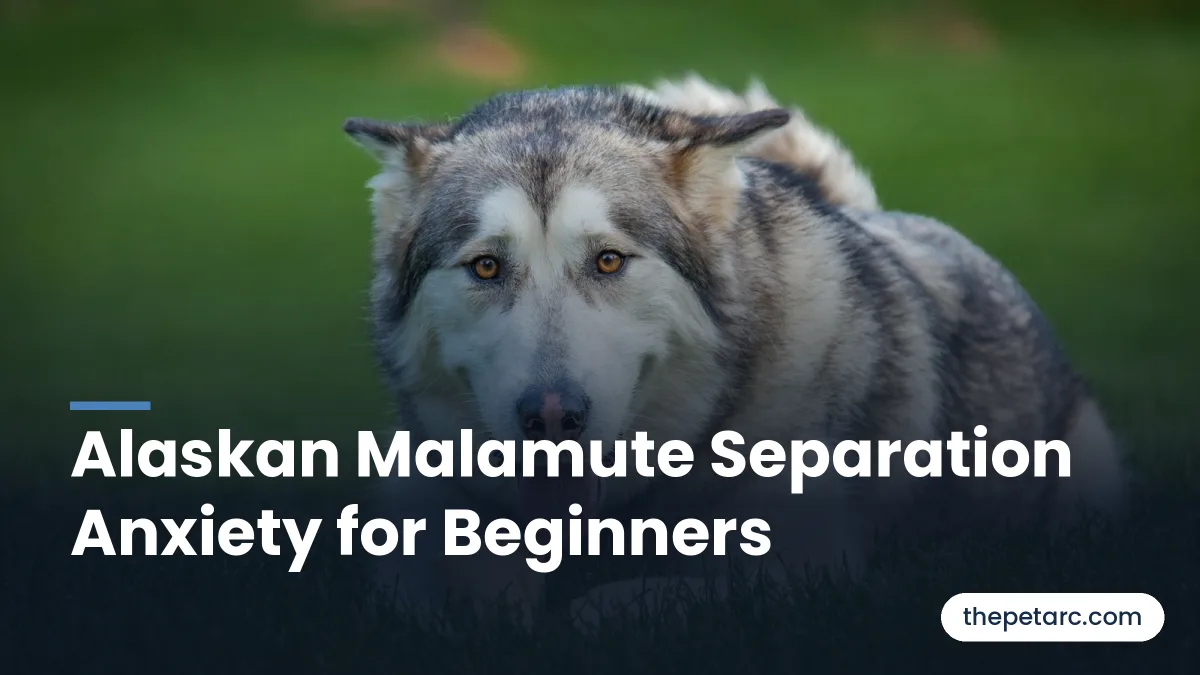
Alaskan Malamute Separation Anxiety for Beginners
As an Amazon Associate we earn from qualifying purchases. Guides are for general information; always check your owner's manual and consult a qualified mechanic when unsure.
You may think your dog is just bored. But alaskan malamute separation anxiety looks different. It starts long before you grab your keys.
These dogs are pack animals. They read your body language well. A slight shift in your stance can trigger worry. Always follow official safety and maintenance guidelines for best results.
You might find your house trashed when you return. The damage pattern helps you spot the root issue fast.
The Root Causes of Alaskan Malamute Separation Anxiety in Pack-Driven Dogs
Alaskan Malamutes bond deep with their people. In the wild, they hunt and travel as a tight group. Being alone feels unsafe to them.
- Modern Life Asks: Modern life asks these big dogs to stay home alone.
- That Goes Against: That goes against their core nature.
- Stress Builds: The stress builds fast and hard.
You need to see this as a fear response. It is not a bad habit. It is a cry for help from a social dog. For complementary picks and expert testing advice, see our guide on How to Master Alaskan Malamute Drooling Step by Step.
Let us look at the root causes. Each one plays a big role in how your dog reacts.
Pack Animal Instinct
Alaskan Malamutes evolved to work in teams. They pull sleds across frozen lands as a unit. Their survival once depended on group cohesion.
Your dog sees you as its pack leader. When you leave, the group splits. The dog feels exposed and vulnerable.
This is not clinginess. It is a hardwired survival trait. Even well-fed pets carry this deep instinct. You cannot train it away fully. You can only manage it with care.
High Prey Drive and Mental Boredom
Malamutes were bred to work for hours. They need a job to stay calm. Without a task, their minds race.
Boredom adds fuel to their stress. A dog with nothing to do will find its own fun. That often means digging or chewing.
You must give them a job. A tired mind leads to a calmer body. This is the first step in fixing alaskan malamute split anxiety.
Lack of Alone Training
Many Malamute pups grow up with constant company. They sleep beside their owners every night. They follow their person from room to room.
They never learn to self-soothe. Being alone feels like a crisis. They do not know how to relax solo.
Start alone training early. Begin with just a few minutes. Gradually stretch the time over weeks. This builds confidence slowly and safely.
Sudden Routine Shifts
A new work schedule can shake a Malamute. Moving to a new home also triggers stress. Even a change in your daily pace matters.
These dogs thrive on predictability. They need to know what comes next. A sudden shift makes them feel insecure.
Try to keep routines as stable as possible. If changes are coming, prepare your dog slowly. Warn them with small steps first.
Practical Methods for Alaskan Malamute Separation Anxiety
You can ease alaskan malamute split anxiety with steady steps. Start with tiny absences and build up slow. Rushing the process makes it worse.
- Tired Dog: A tired dog is a calmer dog.
- Big Exercise Needs: Big exercise needs come before alone time.
- Long Walk: A long walk or a heavy pull session works well.
You must match their energy level. A short walk is not enough for this breed. They need a real workout. Aim for at least one to two hours daily.
Crate Comfort and Safe Zones
Make the crate a safe den. Feed meals inside it with the door open. Place soft blankets and familiar toys inside.
The crate should feel like a cozy cave. Never use it as punishment. Your dog must trust the space completely.
Start by sitting near the crate. Read a book or scroll on your phone. Let your dog settle in on its own. Do not force interaction. Just be present and calm.
Once your dog is relaxed, close the door briefly. Open it after a few seconds. Increase the time very slowly. This builds positive associations with the crate.
Counterconditioning for Departure Cues
Give a frozen puzzle toy only when you leave. It changes their link to your exit. The dog starts to see your leaving as a good thing.
Pick a high-value treat. A frozen Kong stuffed with peanut butter works well. Give it only at departure time.
Do this every time you leave. Keep the routine identical. The dog learns a new pattern. It no longer dreads the moment you grab your keys.
Desensitization to Departure Cues
Practice grab keys and sit down. Do this ten times a day with no departure. Your dog will stop reacting to the sound.
Also practice picking up your shoes. Put on your coat and then sit back down. Repeat these actions until they mean nothing.
Once your dog stays calm, try a short exit. Step outside for just thirty seconds. Return before your dog gets anxious. Slowly increase the time over days.
Midday Breaks and Dog Walker Help
A midday break can reset their stress. A quick walk breaks up the alone time. This is most helpful for puppies.
Hire a dog walker if you work long hours. The walker should give your dog a quick run and some playtime. This splits the day into manageable chunks.
Some dogs do better with a midday nap in a quiet room. Dim the lights and play soft music. This signals that it is time to rest.
Calm Departures and Returns
You must stay calm during departures and returns. No big greetings or long goodbyes. Keep the energy low and steady.
Ignore your dog for five minutes before you leave. This prevents the excitement buildup. When you return, wait for your dog to sit quietly.
Only then should you offer a gentle greeting. This teaches your dog that calm behavior earns attention. It also lowers the drama around your comings and goings.
Building a Long-Term Management Plan for Alaskan Malamute Separation Anxiety
A solid plan cuts stress for both you and your dog. It turns chaos into calm. You need steady habits that fit your daily life.
- Your Alaskan Malamute: Your Alaskan Malamute needs more than a quick fix.
- It Needs: It needs a full plan that works all day.
- This Means Setting: This means setting up routines that keep your dog busy and safe.
Morning Exercise Routine
Start the day with a long walk or run. Burn energy before you leave. A tired dog is easier to manage.
Try a brisk thirty-minute walk first. Follow it with a short play session. This wakes up their body and mind.
If you have a fenced yard, let them run. A game of fetch or tug can help. Aim to finish exercise at least one hour before you leave.
Midday Check-In Strategy
A dog walker breaks up the day with a short play session. This is a key part of your plan.
The walker should give your dog mental work too. A snuffle mat or a puzzle toy works well. These tasks tire the brain and reduce stress.
Ask the walker to report any odd behavior. Note if your dog seems more anxious on certain days. Adjust the plan as needed.
Evening Wind-Down Ritual
Quiet time helps your dog settle after a busy day. Dim the lights and keep voices low.
Offer a chew toy or a lick mat. These activities have a calming effect. They help the dog transition to rest mode.
Stick to a fixed evening schedule. Feed dinner at the same time each night. A predictable routine signals safety and calm. For complementary picks and expert testing advice, see our guide on Alaskan Malamute Common Health Problems for Beginners.
Scheduled Meals and Feeding Routine
Feeding at set times creates a predictable, safe routine. Dogs feel more secure when they know what comes next.
Use a slow feeder bowl if your dog eats fast. This adds mental work to mealtime. It also prevents bloating and digestive issues.
Place the food bowl in a quiet spot. Avoid high-traffic areas where your dog may feel rushed. A calm meal leads to a calm dog.
Weekly Review and Adjustment
Review what works each week. Adjust your plan as your dog improves. Every dog learns at its own pace.
Track your dog’s progress in a simple journal. Note how long they stayed calm. Record any signs of stress or relapse.
Use this data to fine-tune your approach. If a certain step is too fast, slow it down. Celebrate small wins along the way.
Home Setup for Success
Set up your home for success. Remove items your dog can destroy. A tired dog is a calm dog.
Keep valuable objects out of reach. Use baby gates to block off unsafe rooms. A clear space reduces temptation and risk.
Create a dedicated calm zone. This can be a room or a crate area. Add soft bedding and familiar scents. Your dog should view this spot as a safe retreat.
When to Consult a Veterinary Behaviorist for Alaskan Malamute Separation Anxiety
Some cases need expert help. You should call a pro if your dog hurts itself. If it stops eating or drinks too little water, act fast.
A veterinary behaviorist knows how to read dog body language. They can spot fear you might miss. They also know which treatments work best for severe cases.
Signs You Need Professional Help
Watch for these warning signs in your dog. They show that the anxiety has become severe.
- Self-Harm Risks: Your dog chews its own paws or tail raw.
- Extreme Panic: It howls for hours or tries to escape through glass.
- No Progress: You have tried training for months with no change.
- Health Issues: Anxiety has caused stomach problems or skin infections.
- Medication Needed: A vet may prescribe tools to support training efforts.
Do not wait too long to seek help. Bad habits get worse over time. A pro can teach you how to change your approach.
What to Expect From a Behaviorist
A behaviorist will watch your dog carefully. They will ask about your daily routine and training history.
They may suggest a modified training plan. This plan fits your dog’s unique personality. They may also recommend calming supplements or medication.
Medication is not a failure. It supports the training process. It lowers the fear response enough for your dog to learn.
Work closely with the behaviorist. Follow their advice exactly. Steadiness is the key to long-term success.
Preventing Relapse and Maintaining Progress with Alaskan Malamute Separation Anxiety
Progress takes work to keep. You cannot just stop training one day. Your dog needs steady rules to stay calm and confident.
- Watch for Early: Watch for early signs of stress.
- If Your Dog: If your dog starts pacing, you must act.
- Go Back: Go back to basics and lower your training speed.
- Keep Your Expectations: Keep your expectations clear and fair.
Building a Relapse Prevention Plan
Create a simple relapse prevention plan. Write down the steps that worked for you. Keep this plan visible and easy to follow.
If your dog regresses, do not punish it. Go back to the last step that felt safe. Rebuild confidence slowly and gently.
Stay patient during setbacks. Relapse is a normal part of training. It does not mean you have failed. It means you need to adjust your approach.
Long-Term Enrichment Ideas
Keep your dog’s mind busy over the long term. Rotate puzzle toys every few days. This keeps the novelty fresh.
Try new scent games. Hide treats around the house for your dog to find. This taps into their natural sniffing instincts.
Teach new tricks or commands. Learning keeps the brain active. It also strengthens your bond with your dog.
Regular Vet Visits and Health Checks
Schedule regular vet visits for your dog. Health checks rule out pain that may cause anxiety.
A dog in pain may act more anxious. Rule out physical issues first. Then focus on behavior training.
Keep up with vaccinations and dental care. A healthy body supports a calm mind. This is often overlooked in anxiety management.
Understanding the Timeline for Alaskan Malamute Separation Anxiety Recovery
Recovery is not a quick fix. It is a slow and steady process. You must set realistic expectations.
- Most Dogs Show: Most dogs show improvement in four to eight weeks.
- Full Recovery: Full recovery can take three to six months.
- Every Dog Learns: Every dog learns at its own speed.
Do not compare your dog to others. Focus on your dog’s progress. Celebrate small wins like a calmer goodbye. For complementary picks and expert testing advice, see our guide on How to Master Akita Puppy Checklist Step by Step.
Track your progress with a simple log. Note the length of each successful alone session. This helps you see the big picture.
Common Mistakes That Worsen Alaskan Malamute Separation Anxiety
Some well-meaning actions can backfire. You may be making mistakes without knowing it. Watch out for these common errors.
Punishing Your Dog for Accidents
- Never Punish: Never punish your dog for destructive behavior.
- Punishment Adds Fear: Punishment adds fear to the mix.
- It Makes: It makes the anxiety worse.
Your dog does not understand why you are angry. It only feels more stressed. Clean up the mess calmly and quietly.
Instead, reward calm behavior. Praise your dog when it stays relaxed. Positive reinforcement works much better than punishment.
Long Goodbyes and Long Hellos
Long goodbyes make your dog more anxious. They build up the drama around your departure.
Keep your goodbye short and boring. A quick pat and a calm exit work best. Do not linger at the door.
The same goes for your return. Ignore your dog for a few minutes. Wait for it to settle down first. Then offer a quiet greeting.
Inconsistent Training Rules
Inconsistency confuses your dog. If you sometimes let it on the couch and sometimes do not, it gets stressed.
Set clear rules and follow them every day. Everyone in the home should use the same approach.
Steadiness is the backbone of any training plan. It tells your dog what to expect. This builds a sense of safety and trust.
| Tool / Method | Best For | Cost Range | Time to See Results |
|---|---|---|---|
| Counterconditioning | Changing fear response to alone time | Low (treats, toys) | 4–8 weeks |
| DAP Diffuser | Creating a calm home environment | Moderate ($40–$70) | 1–2 weeks |
| Puzzle Feeder | Keeping the dog busy during absence | Low ($15–$30) | Immediate distraction |
| Dog Walker | Breaking up long alone hours | Variable ($15–$30/walk) | Same day |
| Veterinary Behaviorist | Severe cases with self-harm risk | High ($200–$500+) | Varies by case |
Comparing Management Tools for Alaskan Malamute Separation Anxiety
Frequently Asked Questions
How Long Does It Take to Fix Alaskan Malamute Separation Anxiety?
It can take 3 to 6 months. Every dog learns at its own speed. Sticking to your plan is the key to success.
Can I Ever Leave My Alaskan Malamute Alone Again?
Yes, most dogs can learn to stay alone. You must build up their tolerance slowly. A solid plan makes this possible.
Is Crating Safe for a Dog with Separation Anxiety?
It can be safe if your dog likes the crate. Never force a scared dog inside. The crate should feel like a safe den.
Do Alaskan Malamutes Do Better with Another Dog?
Some do, but it is not a cure. A second dog adds more energy to the home. You must still train for alone time.
What Mistakes Make Alaskan Malamute Separation Anxiety Worse?
Long goodbyes and long hellos make it worse. Punishing your dog for accidents also backfires. Stay calm and low-key at all times.
Final Thoughts and Next Steps
You now have the tools to help your dog. The road to calm takes patience and steady work. Every small win counts. Your dog will learn to relax when you are gone.
Keep your plan simple and clear. Focus on exercise, routine, and calm energy. You are building a safer, happier life for your dog. Stick with it, and you will see real change.
Your Alaskan Malamute depends on you for guidance. It needs your calm and steady leadership. With time and patience, your dog will thrive. Even when you are not in the room.
Start today with one small step. A short alone session or a new puzzle toy. These tiny actions add up over time. You are building a confident, relaxed dog.
Stay steady and stay kind. Your efforts will pay off. You will both enjoy a calmer, happier life together.