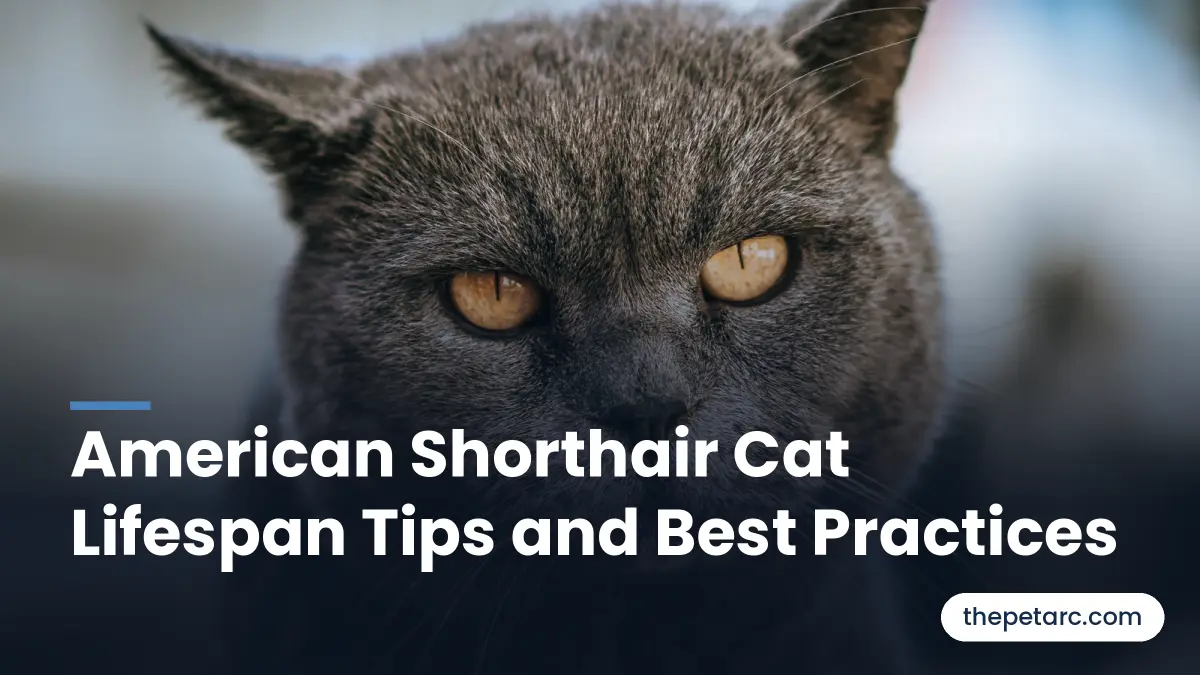
American Shorthair Cat Lifespan Tips and Best Practices
As an Amazon Associate we earn from qualifying purchases. Guides are for general information; always check your owner's manual and consult a qualified mechanic when unsure.
Many cat lovers ask about american shorthair cat lifespan. This breed has a strong, sturdy look. Those big eyes and dense coat hint at a cat built to last. We want to share what real data shows.
American Shorthairs often reach 15 to 20 years. Some even pass 20 with good care. But the number depends on many factors. Genetics, diet, and vet visits all play a part. We will break down the real numbers below. Always follow official safety and maintenance guidelines for best results.
The Real Numbers Behind American Shorthair Cat Lifespan and What Breed Data Actually Shows
Breed registries give us solid data on this cat. The CFA tracks health trends for purebred lines. Their data points to a wide range. Many American Shorthairs live 15 to 20 years. Some cats reach 22 with top care.
But the average is not set in stone. Indoor cats tend to outlive outdoor ones by years. A cat with clean teeth and a lean body fares better. Spayed and neutered cats also live longer. The data shows clear links to these choices. For complementary picks and expert testing advice, see our guide on How Much Exercise Does a American Staffordshire Terrier Need.
- Feline Life Stage Guides: AAFP breaks cat life into stages. Young adulthood starts at age 3 and ends at age 6.
- OFA Health Registries: The Orthopedic Foundation tracks hip scores. It helps breeders spot dysplasia early in lines.
- HCM Screening Data: Heart scans spot thickening of the heart wall. Early detection changes the care plan fast.
- Longevity Surveys: Breed clubs run owner surveys each year. They track causes of death and health patterns.
The CFA also notes that mixed-breed cats often live a bit longer. But the American Shorthair ranks near the top. It sits alongside breeds like the Siamese and Russian Blue. Good care can push this breed past the 18-year mark. Many owners report happy cats well into their late teens.
You can find real-world examples in breed club forums. Owners share stories of cats living to 20 and beyond. These cats often share a few common habits. They eat well, stay active, and see the vet often. Their owners also watch for small changes early. Those small steps add up to a long, healthy life.
How Hypertrophic Cardiomyopathy and Hip Dysplasia Shorten American Shorthair Cat Lifespan
Two health issues weigh on american shorthair cat lifespan. Hypertrophic cardiomyopathy, or HCM, is the top one. It thickens the heart muscle. This makes it hard for the heart to pump blood. Many cats show no signs until it is severe.
Hip dysplasia is a second big concern. The hip joint does not form right. It causes pain and stiffness over time. Mild cases need weight control and joint support. Severe cases may need surgery. Both issues can cut years off a cat’s life if missed.
- HCM Heart Scan: An echocardiogram checks heart wall thickness. Vets suggest this test for breeding cats each year.
- Hip X-Ray Protocol: OFA uses specific views and scoring. Cats must be 24 months old for official results.
- Pain Signs Watch: Look for litter box misses or a hunched back. These often mean joint pain is present.
- Breeder Screening Proof: Ask for OFA and HCM clear papers. No proof means higher risk for kittens.
We have seen cats with mild HCM live long lives. They need close watch and meds. Others with bad hips stay active with joint supplements. The key is finding issues early. A vet can help you map out a plan.
HCM can progress fast in some cats. The heart wall thickens more over time. This reduces the space for blood to fill. The heart then works much harder to pump. Early meds can slow this process down a lot. A cat on beta-blockers often feels much better. The drug helps the heart relax and fill more fully.
For hip dysplasia, weight control is the first step. Extra weight puts more stress on the joint. A lean cat moves with less pain. Gentle exercise also helps keep the joint loose. Swimming is a great low-impact option if your cat likes water. Laser therapy can also ease stiffness and pain. Your vet can guide you on the best plan.
Some owners try joint supplements like glucosamine. These may help support cartilage over time. Omega-3 fatty acids can also lower joint swelling. Fish oil is a common and easy source. Always ask your vet before starting any new supplement. They can check for interactions with other meds.
Practical Methods for American Shorthair Cat Lifespan Through Nutrition and Weight Management
Food and weight shape american shorthair cat lifespan a lot. This breed loves to eat and can pack on pounds fast. Extra weight stresses joints and the heart. It also raises the risk for diabetes. A lean cat moves more and stays fit longer.
We suggest a mix of wet and dry food. Wet food adds moisture to the diet. It helps the kidneys and keeps the cat hydrated. Dry food can help clean teeth but lacks water. You should weigh your cat each month. A small gain of 2 to 3 pounds is a red flag.
- Portion Control Tools: Use a kitchen scale to weigh food. Cups can be off by 20 percent or more.
- Protein First Rule: Look for named meat as the first item. Chicken, turkey, and salmon are top choices for cats.
- Treat Limit Guide: Treats should be less than 10 percent of daily calories. This keeps the main diet balanced.
- Water Fountain Setup: Many cats drink more from moving water. A fountain can boost daily fluid intake a lot.
Feeding schedules also matter for this breed. Free-feeding dry food can lead to overeating. It is easy for a cat to graze all day. Instead, set two or three set meal times. This helps you track how much your cat eats. It also makes it easier to spot a drop in appetite. A sudden lack of interest in food is a red flag.
Weight loss needs the same care as weight gain. If your cat is too heavy, cut back slowly. A sudden diet change can cause liver problems in cats. Aim for a slow, steady drop of a few ounces each week. Weigh your cat on the same scale each time. This gives you a clear trend to watch. Your vet can help set a safe target weight for your cat.
Older American Shorthairs need fewer calories as they age. Their metabolism slows down after age seven. A senior formula cat food can help meet this shift. These foods often have more protein and less fat.
They also add joint support ingredients like glucosamine. Check the label for AAFCO nutrient profiles. This ensures the food meets basic nutrition standards.
Dental Disease, Chronic Kidney Disease, and the Silent Threats to American Shorthair Cat Lifespan
Dental issues hurt more than breath. Gum disease lets bacteria enter the blood. Those germs travel to the heart and kidneys. This silent damage can shorten your cat’s life. Many owners miss early warning signs entirely.
Chronic kidney disease is a top threat in older cats. The kidneys filter waste from the blood. When they fail, toxins build up fast. American Shorthairs are not immune to this risk. Weight loss and thirst often appear first.
- Yearly Dental Exams: Vets check for gum inflammation and loose teeth. Early cleanings prevent bacteria from entering the bloodstream.
- Home Tooth Brushing: Use a cat-safe paste and a soft brush. Brush several times a week to remove plaque buildup.
- Kidney Blood Panels: Ask your vet for a full chemistry panel. This test catches kidney changes before symptoms show up.
- Fresh Water Access: Cats drink more when water is fresh. Change bowls daily and place them in quiet spots around the home.
- Wet Food Diet: Moisture helps support kidney function over time. Wet food can supplement a dry kibble diet well.
Small daily habits add up to big gains. You can protect your cat from these hidden risks. Start dental care early and never skip annual blood work. Your watchful eye gives your cat a real edge.
Many silent threats don’t show clear signs at first. Pain from dental disease often hides behind a normal appetite. Kidney decline can creep on for months unnoticed. You need to stay ahead of these slow changes. Regular vet visits catch problems when they are still small.
Dental disease starts with a sticky film called plaque. If not removed, plaque hardens into tartar. Tartar pushes under the gum line and causes infection. This infection can loosen teeth and spread bacteria. The bacteria then travel through the blood to organs. The heart and kidneys are the most at-risk targets.
For kidney disease, early detection is everything. A simple blood test can show a rise in creatinine. This waste product builds up when the kidneys slow down. Another test checks the urine’s specific gravity.
Together, these tests give a clear picture of kidney health. You can then adjust the diet to support the kidneys. A renal diet food often has less phosphorus and more omega-3s. For complementary picks and expert testing advice, see our guide on German Shorthaired Pointer Size Tips and Best Practices.
Indoor Versus Outdoor Lifestyle: How Environment Reshapes American Shorthair Cat Lifespan
Indoor cats live much longer than outdoor ones. The average indoor cat reaches 12 to 18 years. Outdoor cats face cars, fights, and diseases daily. Their lifespan often drops to just 2 to 5 years. The safest home is an indoor-only space. This single choice adds years to your cat’s life.
Outdoor access brings real dangers. Cars cause the most common fatal injuries. Fights with other cats spread deadly viruses. Outdoor cats also face parasites and toxin exposure. Even a “safe” backyard holds hidden risks. Enclosed catios offer fresh air without the threat.
- Window Perch Setup: Install a secure perch by a window. Your cat can watch birds and feel the breeze safely indoors.
- Catio Enclosure: A screened patio lets your cat enjoy the outdoors. It blocks cars, predators, and stray animal contact completely.
- Harness Training: Teach your cat to wear a harness slowly. Short, supervised walks outside can satisfy curiosity without free-roam risks.
- Indoor Enrichment: Provide climbing trees, puzzle toys, and daily play. A busy indoor cat stays healthy and mentally sharp.
- Flea and Tick Prevention: Indoor cats still need parasite protection. Bugs hitchhike indoors on shoes and clothing all year long.
Keeping your cat indoors is the best gift you can give. You remove the leading causes of early death. Your cat still gets a full, rich life inside. The extra years you gain are worth the effort. This choice reshapes the entire american shorthair cat lifespan picture.
Some owners worry indoor cats get bored. But a well-set-up home offers endless stimulation. Window views, rotating toys, and climbing shelves help a lot. You can mimic outdoor uses safely inside. Your cat’s safety and your peace of mind both win. Indoor living is the clear winner for lifespan.
Enrichment is not just about toys. It also means changing the home setup now and then. A new cardboard box can bring hours of joy. A paper bag on its side makes a great hideout. You can also try a catnip mouse or a crinkle ball. These simple items spark natural hunting and play instincts.
Play sessions should last 10 to 15 minutes each day. Use a wand toy to mimic prey movement. Let your cat pounce, chase, and catch. This activity burns calories and reduces stress. A tired cat is a happy and well-behaved cat. Regular play also deepens the bond between you and your cat.
Building a Breed-Specific Preventive Care Timeline to Maximize American Shorthair Cat Lifespan
A set schedule keeps your cat healthy for years. Kittens need a series of core vaccines first. Adult cats thrive on yearly wellness visits. Senior cats need twice-yearly checkups after age ten. Each life stage has different needs and risks. Sticking to a timeline catches problems early.
Start with kitten vaccines around six to eight weeks. Boosters follow every three to four weeks after that. Spaying or neutering is usually done by six months. This surgery reduces certain cancer risks later in life. Adult visits should include a full physical exam each year. Blood panels become key once your cat turns seven.
- Kitten Vaccine Series: Core shots protect against panleukopenia and respiratory viruses. Start at six to eight weeks and repeat every few weeks.
- Spay or Neuter Surgery: This procedure lowers mammary cancer and testicular tumor risks. It also reduces roaming and fighting behaviors that cause injuries.
- Annual Adult Exams: Each year, your vet checks weight, teeth, and heart. Blood and urine tests can spot early disease signs.
- Senior Blood Panels: After age seven, run full chemistry and thyroid panels. These tests catch kidney and metabolic changes before symptoms appear.
- Orthopedic Screening: Ask about hip evaluation if your cat shows stiffness. Early detection helps manage arthritis pain with simple lifestyle changes.
Your vet can tailor this timeline to your cat’s needs. Some American Shorthairs need earlier heart screening. Others benefit from weight checks every six months. The goal is to stay ahead of breed-specific risks. A steady preventive plan adds real quality years. You give your cat the best shot at a long life.
Steadiness matters more than any single visit. Skipping annual exams lets small issues grow silently. A missed vaccine leaves your cat open to fatal diseases. But a faithful care routine builds a strong health baseline. You and your vet become a team watching over your cat. This steady approach maximizes your american shorthair cat lifespan the best way.
Senior cats need a softer touch and more frequent checks. Their joints may ache and their organs work less well. You might notice them sleeping more or jumping less. These are subtle signs that should not be ignored.
A vet can adjust their care plan to match these changes. Simple home changes can also make a big difference. Ramps to favorite spots and softer bedding help a lot.
Common Questions About American Shorthair Longevity
What Is the Average American Shorthair Cat Lifespan?
Most American Shorthairs live between 15 and 20 years. Some healthy individuals reach their early twenties. The range depends heavily on diet, exercise, and vet care. Indoor-only cats almost always live longer than outdoor cats. Regular preventive visits push the upper end of the range.
How Can I Help My American Shorthair Live Longer?
- Keep Your Cat: Keep your cat at a lean, healthy weight.
- Feed a High-Quality: Feed a high-quality diet and brush teeth regularly.
- Never Skip Annual: Never skip annual wellness blood panels and exams.
- Keep Your Cat: Keep your cat indoors to avoid accidents and fights.
- These Steps: These steps directly add years to your cat’s life.
Do American Shorthairs Have More Health Problems Than Other Breeds?
They are usually a sturdy and healthy breed. But they do face specific risks like HCM and hip dysplasia. Regular screening catches these issues early when they are manageable. Responsible breeders test parents for heart and hip conditions. Choosing a tested kitten reduces your long-term worry.
When Does an American Shorthair Become a Senior Cat?
Cats are considered seniors once they reach age seven. At this point, metabolism slows and joint wear begins. Your vet should run more frequent blood and urine tests. Early detection of kidney or thyroid issues makes a big difference. Adjusting their diet and home setup supports comfort in later years. For complementary picks and expert testing advice, see our guide on German Shorthaired Pointer Puppy Growth Chart.
Can Dental Disease Really Shorten an American Shorthair’s Life?
Yes, severe gum disease allows bacteria into the bloodstream. Those bacteria can damage the heart and kidneys over time. This connection is well documented in veterinary research. Yearly dental cleanings and home brushing help prevent this silent threat. Good oral care is a simple way to protect overall health.
Spotting Early Warning Signs That Can Add Years to Your American Shorthair’s Life
Cats hide pain and illness very well. They often show no signs until a problem is serious. But small changes at home can hint at a bigger issue. Learning these signs helps you act fast. Early action can add years to your cat’s life.
- Watch for Changes: Watch for changes in eating and drinking habits.
- Cat That Eats: A cat that eats less for two days needs a vet visit.
- Sudden Increase: A sudden increase in water intake is also a warning sign.
- These Can Point: These can point to kidney disease or diabetes.
- Both Conditions: Both conditions are common in older American Shorthairs.
Pay close attention to litter box habits too. Straining to urinate or missing the box can signal a problem. Blood in the urine is a clear red flag. These signs often point to urinary tract issues. They can become emergencies if you wait too long.
Behavior changes are another key clue. A once playful cat that now hides a lot may be in pain. A cat that stops grooming may feel sick or have arthritis. Overgrown claws or a dull coat can mean your cat is not well. These small shifts are easy to miss but very key.
Breathing changes also demand quick attention. A cat that pants or breathes with its mouth open needs help. A harsh cough can point to heart or lung issues. HCM can cause fluid to build up in the lungs. This makes it hard for the cat to breathe. A vet exam can spot this early with a stethoscope.
Weight changes are one of the clearest warning signs. A sudden gain or loss of even a small amount matters. Weigh your cat on a regular schedule at home. A kitchen scale works well for most cats. Write down the number each month. A trend line helps you and your vet spot issues early.
Common Questions About American Shorthair Longevity: Genetics and Breeder Choices
How Much Does Genetics Affect American Shorthair Cat Lifespan?
Genetics set the baseline for your cat’s health. A kitten from tested parents has a better start. Responsible breeders screen for HCM and hip dysplasia. They also check for other inherited issues. Always ask the breeder for health clearances. No clearances mean you are taking a bigger risk.
What Should I Ask a Breeder Before Buying a Kitten?
- Health Clearances: Ask for OFA hip and HCM heart results.
- Parent Age: Find out the ages of the kitten’s parents.
- Kitten Socialization: Ask how the kitten is handled and exposed.
- Return Policy: A good breeder will take a cat back if needed.
- Health Guarantee: Look for a written health guarantee in the contract.
Can You Improve a Cat’s Lifespan After Adoption?
Yes, you can make a big difference at any age. A balanced diet, clean teeth, and indoor living help. Regular vet visits catch issues early. Even older cats can gain quality years with good care. The key is to start and stay steady. Small daily steps lead to a longer, happier life.
Final Thoughts and Next Steps
Your American Shorthair can live a long, vibrant life. The choices you make today shape those future years. Feed a balanced diet and keep your cat at a healthy weight. Brush teeth, schedule vet visits, and keep your cat indoors. These habits form a strong foundation for lasting health. You hold the power to add real quality time together.
Stay proactive with preventive care and watch for subtle changes. A slight drop in appetite or a new stiffness matters. Catch problems early when treatment is simple and strong.
Your vet becomes your partner in protecting your cat’s well-being. The american shorthair cat lifespan is long, but it needs your steady attention. Start these steps today and give your cat the best chance at a full, happy life.