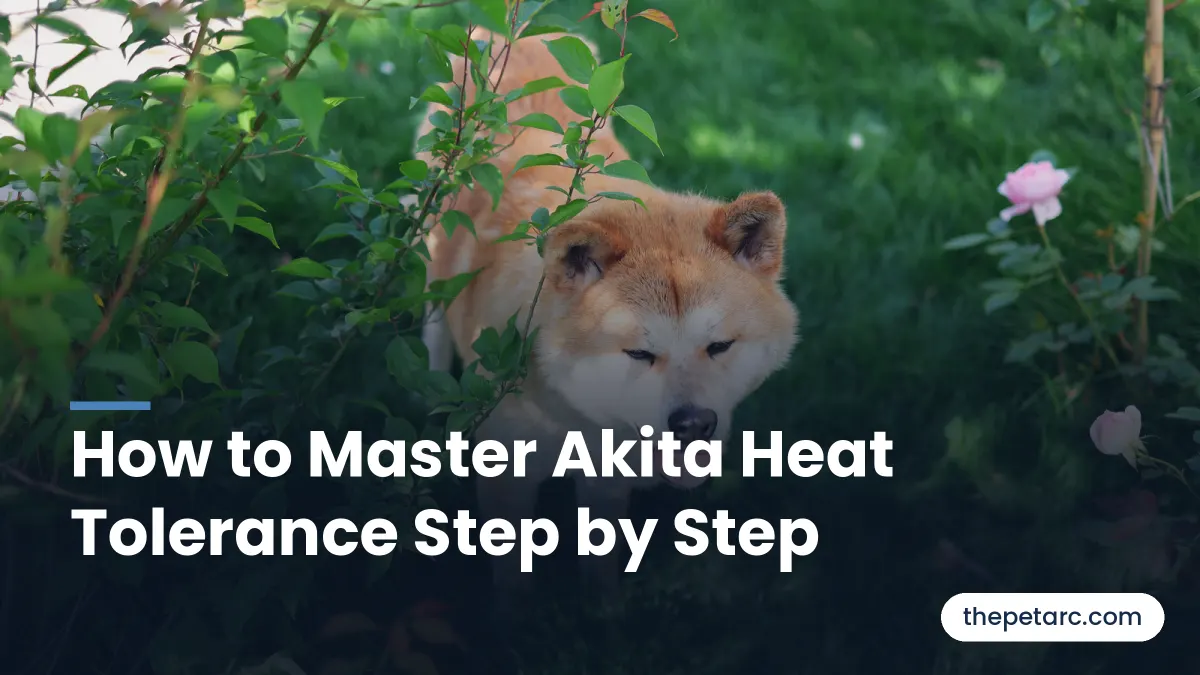
How to Master Akita Heat Tolerance Step by Step
As an Amazon Associate we earn from qualifying purchases. Guides are for general information; always check your owner's manual and consult a qualified mechanic when unsure.
Akitas face real heat risks. When it comes to akita heat tolerance, having steady, tested guidance makes all the difference. Their thick double coat traps warmth. This creates a narrow safe window. Many owners learn this the hard way.
We will cover core facts now. You will learn what safe temps look like. We will also share simple prep steps. Heat tolerance starts with knowledge. Always follow official safety and maintenance guidelines for best results.
Why Akita Heat Tolerance Matters and Core Fundamentals
Akitas come from cold Japan. Their coat works in snow. It insulates against freezing wind. But that same coat fights cooling in summer. The undercoat acts like a blanket. It holds heat close to the skin. This makes normal body temp rise fast.
Heat stroke hits Akitas hard. Their lungs work harder in warm air. Panting alone may not cool them down. High humidity makes it worse. The air feels thick and heavy. Dogs cannot sweat through their fur. They rely on panting and paw pads.
When both fail, body temp climbs. A reading above 104°F means danger. 106°F signals a true emergency. At 108°F, organ failure starts. This is not a scare story. It is a real vet fact.
Understanding the science helps you act. The dog’s core temp runs around 101°F. Any rise above 102.5°F needs attention. Thick fur blocks heat from escaping. The ruff around the neck holds warmth. Even the tail can trap hot air. These small traps add up fast.
Body size also plays a role. Akitas carry heavy bone and muscle. More mass means more stored heat. Large dogs warm up slower than small ones. But they also cool down much slower. This delay creates a false sense of safety.
Humidity is the hidden threat. Dry heat is easier to manage. Moist air blocks evaporative cooling. Panting becomes less strong each hour. A 90°F day at 30 percent humidity feels safe. The same 90°F at 80 percent humidity is risky. You must watch both numbers closely.
Signs of early distress are subtle. Your dog may look restless or uneasy. They might pace near a door. Some Akitas whine or scratch at their face. These small cues mean act now. Do not wait for heavy panting.
Older Akitas face extra risk. Joint pain can limit their movement. Overweight dogs store heat in fat layers. Young pups have not learned to rest. Each dog has a unique heat threshold. Know your dog’s baseline behavior well.
- Double Coat Role: It traps cold air in winter. In summer, it blocks heat escape. You must manage this coat with care.
- Safe Temp Window: Keep your Akita below 75°F. Humidity should stay under 60 percent. Above 80°F, risk grows fast.
- Panting Limits: Heavy panting means your dog is working hard. If panting stays loud and long, act now.
- Breed Build: Their heavy bone and thick ruff add mass. More mass means more heat stored.
Essential Tools and Preparation for Akita Heat Tolerance
You need the right gear before summer. Waiting until a heat wave hits is too late. A few tools make a big difference. They give you control over your dog’s safety. Think of them as first aid items for warm weather.
Start with a good rectal thermometer. Normal dog temp runs 101 to 102.5°F. Know your dog’s base number. A digital quick-read model works best. Keep it in your pet first aid kit. Next, grab a cooling vest. These vests hold water against the body. They pull heat away through evaporation.
Pick a vest that fits snug but not tight. You also need a steady weather app. Watch the heat index, not just the temp. The heat index mixes air temp and humidity. A 90°F day at 70 percent humidity feels much hotter. Finally, keep fresh cool water always available. Add ice cubes to the bowl. Some dogs drink more when water tastes cold.
Add a few more items to your kit. A collapsible travel bowl is very handy. Fill it with cool water on walks. A small spray bottle can mist the paws. Wet paws help lower body temp fast. A shaded crate cover blocks direct sun. It keeps the resting area much cooler.
Consider a cooling mat for indoor use. These mats stay cool for hours. They work without electricity or ice. Place it in your dog’s favorite spot. Your Akita will seek it out on hot days. A damp bandana around the neck also helps. It cools the blood flowing through the neck.
Store all these items in one place. A dedicated bin keeps gear ready to go. Check the cooling vest each week. Make sure the fabric is not torn. Test the thermometer for battery life. A little prep now saves stress later.
- Digital Thermometer: Use it to check your Akita’s temp fast. A reading above 104°F needs quick action.
- Cooling Vest: Soak it in cold water and wring it out. The wet fabric pulls heat from the body.
- Weather App: Watch the heat index each day. High humidity blocks cooling panting from working well.
- Cool Water Supply: Keep a bowl fresh and full. Add ice to keep the water cold longer.
Practical Methods for Akita Heat Tolerance
You can build a cool routine with small steps. The goal is to lower risk every single day. Start by changing walk times. Go out early in the morning or late in the evening. The ground holds heat all day long. Hot pavement burns soft paw pads. Place your hand on the asphalt for seven seconds.
If it feels too hot for you, it hurts your dog. Stick to grass paths or shaded trails. A damp towel laid on cool tile helps too. You can also set up a fan in the room. Cross breezes move air across the fur. This speeds up evaporative cooling from the skin.
Indoor rest is a big part of the plan. Keep your Akita inside when the temp hits 80°F or higher. Close blinds to block direct sun. A room at 72°F feels much safer. Offer frozen treats as a fun cool down trick. Frozen broth cubes or plain frozen fruit work well.
You can also set up a shallow kiddie pool. Some Akitas love to stand in a few inches of water. This cools their paws and belly fast. Always watch your dog for signs of stress. Heavy drool, wide eyes, or slow steps are warnings. Move your dog to shade and offer water right away.
Grooming plays a real role in heat tolerance. Never shave a double-coated breed. The top coat shields the skin from sun. It also helps with airflow near the skin. Use a deshedding tool to lift loose undercoat. This lets air reach the skin better. A clean, well-brushed coat insulates smarter. Bath time also helps.
A lukewarm bath cools the body. Avoid hot water, which adds heat fast. Dry your dog fully after the bath. Damp fur in humid air can grow mold. A clean coat also stops skin fold issues. Folded skin traps moisture and heat. Keep those areas dry and clean every day.
Try to build a daily cool-down ritual. After a short walk, offer a drink and a rest. Use a damp cloth to wipe the belly. This removes heat from the skin surface. Keep the water bowl in a shaded spot outside. Refill it with fresh cool water each hour. A moving fountain can also encourage drinking.
Plan your yard layout for summer shade. Trees provide the best natural cover. If you have no trees, use a shade sail. A simple tarp can lower the temp by ten degrees. Place it over the dog run or play area. Grass stays cooler than concrete or gravel. If you have paved areas, hose them down before outdoor time. The evaporating water cools the surface.
Watch for signs of fatigue during play. Akitas are loyal and will push through pain. They may not stop until they collapse. Set a timer for outdoor play sessions. Limit active time to fifteen minutes in heat. Then move your dog to a cool area. Offer small sips of water during breaks.
- Morning and Evening Walks: Walk on cool grass in early light. Hot pavement burns paws fast and deep.
- Shade and Fan Setup: Set up a cross breeze with fans. Moving air helps sweat and panting work better.
- Frozen Treats and Pool: Offer cold broth cubes or use a shallow pool. These cool the core from the inside out.
- Smart Grooming: Brush to remove loose undercoat. Never shave the top coat, which blocks sun and holds cool air near the skin.
Akitas can live well in warm climates. But they need your help to stay safe. akita heat tolerance depends on you. Watch the temp. Know the signs. Act fast when things go wrong. Your dog counts on you to lead.
Common Mistakes to Avoid and Expert Pro Tips
Many owners push their Akita too hard in warm weather. They assume the thick coat will adapt on its own. That thinking can cost your dog’s life. Heat changes everything for northern breeds fast.
Another big error is skipping the paw check. Hot pavement burns pads in minutes. You would not walk barefoot on blacktop at noon. Your dog feels that same burn. A simple hand test saves pain. Hold your palm flat on the surface for seven seconds. If it hurts you, it hurts your dog. Stop and find shade right away.
Some owners think a haircut helps. They shave the coat to let heat escape. This is a dangerous myth. The top coat blocks harmful UV rays. It also guides air near the skin. Shaving removes this natural shield. The undercoat then mats and traps heat. Sunburn on pink skin adds more danger.
Leaving a dog in a car is never okay. Cracked windows do not save them. A car interior can hit 120°F in minutes. Heat stroke starts silently inside. Your dog may seem fine at first. Then they can collapse within seconds. Always leave your dog at home if you must run errands.
Over-exercising is another common mistake. Akitas are calm dogs by nature. They will not always stop when tired. Owners may push them on long hikes. In heat, this can turn fatal. Stick to short, gentle walks only. Watch for slow or heavy steps.
Expert owners use a cooling vest before outdoor time. Soak the vest in cool water and wring it out. It pulls heat from the body safely. Pair this with a shaded route. Plan walks for early morning or late evening only. These small steps cut risk greatly. They build a safety net your dog needs.
Learn to read your dog’s body language. A relaxed Akita stands with loose muscles. Their tongue may hang out gently. The eyes are clear and bright. A stressed dog looks stiff or moves slowly. They may tuck their tail or hide. These signals mean get them cool fast.
Keep a small first aid plan ready. Know where the nearest 24-hour vet is. Save their phone number in your call list. Carry a copy of your dog’s medical records. In an emergency, every minute counts. Quick action can save your Akita’s life.
- Paw Test First: Always check pavement with your hand before any walk. Hot ground causes burns fast.
- Skip the Clip: Never shave a double coat. The undercoat insulates against heat and sun. A shaved Akita risks sunburn and heat trapping.
- Watch the Humidity: High humidity blocks panting cooling. Dogs lose heat through panting, not sweat. Moist air traps heat near the body.
- No Car Left Closed: Even cracked windows fail fast. A car becomes an oven in ten minutes. Heat stroke starts silently inside.
Long-Term Maintenance and Best Practices
Keeping your Akita safe from heat is a daily habit. You must check the weather app each morning. Watch for heat index spikes and dew point shifts. A 75°F day at 80% humidity becomes dangerous. The body cannot cool itself in that mix. Adjust your routine before the dog shows stress. Prevention beats emergency care every time.
Grooming plays a bigger role than most think. Regular deshedding removes dead undercoat fluff. That trapped fur blocks air flow to the skin. Use an undercoat rake during coat blowing season. A slicker brush smooths the top guard hairs.
Bath time helps too. A cool water rinse lowers body temp after a warm day. Dry the ears fully to prevent infection. Moisture left in the ear canal invites bacteria. Keep the ear flap dry and clean.
Set up a steady daily summer routine. Start with a morning weather check. Look at both temp and humidity. Plan the first walk before 8 a.m. if possible. The ground is coolest in early hours. After the walk, offer a cool drink. Let your dog rest in a shaded spot.
In the afternoon, keep your Akita indoors. Close blinds and run a fan or AC. The indoor temp should stay below 75°F. Offer frozen treats to keep them engaged. A chew toy stuffed with frozen broth works well. This keeps them cool and happy inside.
Evening walks are a great second chance. Wait until the sun goes down fully. The pavement will have cooled by then. Keep the walk short and gentle. Watch for any signs of fatigue. End the walk with a damp paw wipe. This removes hot dust and cools the feet.
Check your yard for safe cooling zones. Place a shallow pool in a shaded area. A kiddie pool works great for this. Add a few inches of cool water. Some Akitas love to stand in it. It cools their paws and belly fast. Change the water each day to keep it fresh.
Build shade structures in outdoor areas. A simple tarp or shade sail helps a lot. Place it over the dog run or play area. Grass stays cooler than concrete or gravel. You can also set up a misting fan. A light mist cools the air around your dog. These steady habits protect your dog year after year.
- Daily Weather Check: Read the heat index before outdoor plans. Skip walks when the index hits 85 or higher.
- Grooming Schedule: Brush three times weekly during shedding season. Daily during heavy coat blows keeps airflow open.
- Hydration Routine: Offer fresh water after every walk and play session. Add ice cubes to encourage drinking in summer.
- Indoor Rest Zones: Set up a cool crate area with a mat. Keep the room below 75°F during the hottest hours.
Comparing Akita Heat Tolerance Methods
Different methods work better for different situations. Some owners focus on gear. Others rely on routine changes. Both approaches add value when used together.
- Cooling Vests: Cooling vests are great for short outings.
- They Pull Heat: They pull heat away from the body fast.
- But They Need: But they need to be re-wet often.
- In Very Dry: In very dry heat, they work best.
- In High Humidity, They: In high humidity, they lose some power.
- Wet Fabric Cannot: The wet fabric cannot evaporate as well then.
Shade and water setups work for long stays. A shaded yard with a pool is ideal. This gives your dog a safe retreat. It also lets them cool down on their own. No gear is needed for this method.
Indoor rest with fans or AC is the safest. It removes the heat threat completely. But it limits outdoor time. Your dog may get restless indoors. You must balance rest with some activity.
Grooming and deshedding help all methods work better. A clean coat allows airflow near the skin. It also stops the undercoat from matting. Matted fur traps heat against the body. Regular brushing makes every other method more strong.
Use a mix of these methods each day. Start with a grooming session in the morning. Apply a cooling vest for the short walk. Then let your dog rest in the shade. Offer a frozen treat and fresh water. This layered approach keeps risk low all day.
Common Questions About Akita Heat Tolerance
Can Akitas Live in Hot Climates?
Yes, but only with careful management. You must limit outdoor time during peak heat. Provide AC indoors and shaded areas outside. Daily monitoring of the heat index is non-negotiable. Many Akitas thrive in warm regions when owners follow strict routines.
What Temperature Is Too Hot for an Akita?
- Temperatures Above 80°F: Heat above 80°F start to pose real risks.
- Add High Humidity: Add high humidity and the danger climbs fast.
- At 85°F: At 85°F with 60% humidity, heat stroke can strike.
- Keep Your Dog: Keep your dog inside when the index crosses that line.
- Never Exercise Them: Never exercise them in those conditions.
How Do I Cool My Akita Down Fast?
Apply cool (not ice cold) water to the belly and paw pads. Use a wet towel or hose mist. Offer small drinks of cool water. Do not use ice baths. They cause blood vessels to constrict and trap heat inside. Move the dog to a shaded or air-conditioned spot right away.
Do Akitas Need a Summer Haircut?
No. Never shave or clip their double coat. The undercoat acts as insulation against both cold and heat. It also blocks harmful UV rays from the skin. Regular brushing and deshedding is the right approach. This keeps the coat healthy and allows proper airflow.
What Are the First Signs of Heat Stroke in Akitas?
Heavy panting and a bright red tongue are the earliest signs. You may also see thick drool or glazed eyes. Some dogs become wobbly or unresponsive. Check the rectal heat if you can. A reading above 104°F is a medical emergency. Seek vet help at once.
| Method | Best For | Setup Cost | Daily Effort |
|---|---|---|---|
| Cooling Vest | Active outdoor walks | Low | Soak and wring each use |
| Shade Structure | Backyard rest time | Medium | Check tarp tightness weekly |
| Paw Pad Check | Any paved surface walk | None | Hand test before each walk |
| Indoor AC Rest | Peak heat hours (10am-4pm) | Low | Keep thermostat at 72-75°F |
| Hose Misting | Paved yard cooling | None | Spray surface 10 min before use |
Final Thoughts and Next Steps
Akita heat tolerance depends on your daily choices and watchful eye. You must respect the limits of this thick-coated breed. Simple steps like paw checks, shade, and cool water make a huge difference. Build these habits into your routine now. They protect your dog when the weather turns warm. Prevention is always easier than an emergency trip to the clinic.
Share what you have learned with other Akita owners. Talk to your vet about a personalized summer safety plan. Each dog has unique needs based on age and health. A young, fit Akita handles heat better than an older one.
Stay alert, stay prepared, and keep your companion safe all season long. Your Akita counts on you to make the right call. Take action today and give your dog the best summer possible.