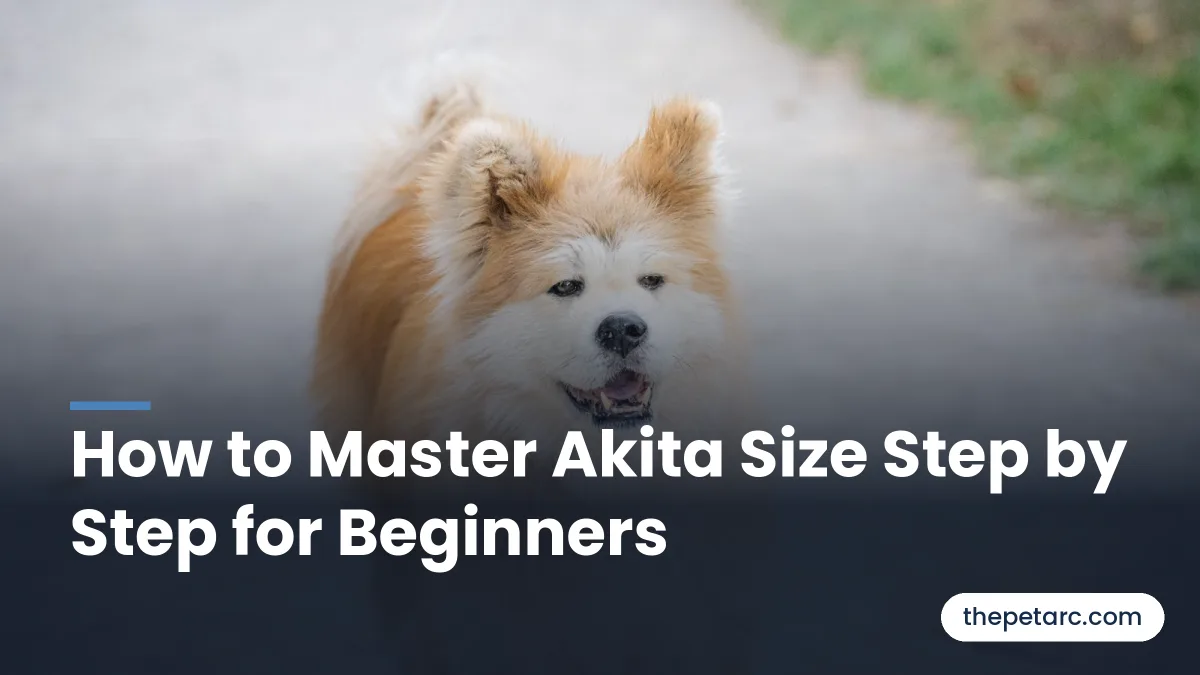
How to Master Akita Size Step by Step for Beginners
As an Amazon Associate we earn from qualifying purchases. Guides are for general information; always check your owner's manual and consult a qualified mechanic when unsure.
Akitas are big, sturdy dogs. Their size draws a lot of attention. Many folks want to know what to expect. This guide covers akita size in clear terms. We will look at height, weight, and growth. You will learn how sex and lineage play a role. We also link size to joint health and care.
Knowing akita size helps you plan ahead. You will pick the right food. You will find a proper crate. You will spot weight problems early. This piece is for new and seasoned owners alike. Always follow official safety and maintenance guidelines for best results.
Akita Size: How Breed Standards Define Height and Weight for Males and Females
Dog groups set firm height and weight ranges. The American Kennel Club guides akita size standards. Males stand tall at the shoulder. Females are smaller but still strong. These numbers help breeders and vets check growth.
Akitas have a thick bone frame. Their build is solid and wide. The chest is deep. The back is level. This frame holds up their heavy head. Their size gives them a proud, alert look.
- Male Height: 26 to 28 inches at the shoulder.
- Female Height: 24 to 26 inches at the shoulder.
- Male Weight: 100 to 130 pounds when fully grown.
- Female Weight: 70 to 100 pounds when fully grown.
- Bone Density: Heavy bone adds to their frame weight.
Measure your dog from the floor. The point is the highest part of the shoulder blade. This is called the withers. It is the standard spot for all breed heights. A tape measure works best. Keep the dog standing square. Four paws should be even.
Do not measure over the head. That gives a false tall number. A vet or breeder can show you the right way. Take the measurement once a year. Track it in a simple log. This helps you spot trends early.
Weight needs a scale and a calm dog. Weigh yourself first. Then hold the dog and weigh again. Subtract your weight. Do this monthly for young pups. Weigh adults at least every few months. A sudden jump means check the diet. A slow drop means check for illness.
Why the Numbers Vary
Bloodlines change the final size. Show dogs often hit the top of the range. Pet dogs may land in the middle. Some Akitas carry more muscle. Others carry more bone. Both can be healthy. The key is balance. The dog should move with ease. The frame should not look too light or too heavy.
Akita Size Through the Ages: Puppy Growth Milestones and Adult Dimensions
Akita puppies grow fast in the first year. They gain weight each month. Their legs lengthen quickly. By six months, they look like small adults. But they are still filling out. Growth plates stay open until about one year.
You must not push young Akitas too hard. Long runs on hard floors can hurt joints. Wait for full growth before intense exercise. Akita size at birth is tiny. A newborn pup weighs just a few ounces. By one year, they near their adult weight.
- Birth Weight: 7 to 12 ounces per pup.
- 8 Weeks: 10 to 15 pounds.
- 6 Months: 50 to 65 pounds.
- 12 Months: Near full adult weight.
- Full Maturity: Reached at 18 to 24 months.
Tracking Puppy Growth at Home
Weigh the pup on a kitchen scale. Do it the same time each day. Pick a calm spot. Record the number in a notebook. A steady climb is what you want. Sudden jumps or stalls need a vet call. Use a large-breed puppy formula. It controls calcium and calories. Fast growth strains developing joints.
At eight weeks, the pup should be steady on its feet. It should play without tiring fast. By twelve weeks, the legs start to lengthen. The chest begins to deepen. This is a good time to start gentle walks. Keep them short. Five minutes per month of age works well. Two short walks a day beat one long one.
From Six Months to Full Growth
The six-month Akita looks like a young adult. It has height. It still needs to fill out. The ribs may show a bit. That is normal. The frame is still adding muscle. Do not switch to adult food yet.
Keep the puppy formula until the vet says to stop. Most Akitas switch at twelve months. Some need a later switch. Ask your vet. Watch the body score. A 4 to 5 out of 9 is ideal.
Growth plates close between twelve and twenty-four months. Do not force big jumps or long runs. These can harm the joints. Let the dog set the pace. If it lies down on a walk, stop. Play fetch on soft grass. Not on concrete. Soft ground is kinder to developing bones.
Why Akita Size Matters for Joint Health, Mobility, and Long-Term Wellness
Big dogs face big joint stresses. Akita size puts extra load on hips. Elbows can wear down over time. Weight gain makes it worse. Lean muscle is better than fat. Fat adds stress without strength.
You should check your dog’s body shape. Run your hands over the ribs. You should feel them with light pressure. If you must press hard, the dog is heavy. A vet can score this each visit. Early care stops big problems later.
- Hip Dysplasia: A malformed hip joint. It causes pain and limping.
- Elbow Dysplasia: Loose elbow pieces. This leads to arthritis.
- Obesity Risk: Extra weight speeds up joint wear.
- Body Score: A 4 to 5 out of 9 is ideal.
- Vet Checks: X-rays can spot changes early.
Reading Your Dog’s Body Condition
Stand above your dog. Look down at its waist. You should see a tuck. Not a flat line. Not an hourglass shape. Now run your hands along the ribs. You should feel them with light pressure. No pressing deep through fat. If you cannot feel the ribs, the dog is heavy. If the ribs show too much, the dog is thin.
Take photos each month. Use the same spot and angle. This helps you see slow changes. A dog that gains weight slowly is easy to miss. A weekly check catches it fast. Adjust food and exercise right away.
Joint Care Tips for Large Dogs
Keep the dog at a lean weight. This is the best joint care. Add fish oil to the diet. It has omega-3 fats. These ease swelling in joints. Glucosamine and chondroitin can help too.
Ask your vet for a good brand. Use ramps instead of stairs. This reduces jump stress on the hips. Keep nails trimmed short. Long nails change how the dog stands. That puts extra strain on joints.
Offer an orthopedic bed. It cushions the hips and shoulders. Place it away from cold drafts. Cold floors make stiff joints worse. A warm, padded spot helps the dog rest well. Joint health starts with small daily habits.
Akita Size and Nutrition: Caloric Needs Across Life Stages to Prevent Obesity
Feeding a large dog like an Akita takes care. The right food keeps their frame strong. Too many calories harm joints fast. You must match meals to their age and activity level.
Puppies need more fuel for growth. Adult Akitas need steady, balanced fuel. Seniors burn fewer calories each day. Watch their body shape closely. You should feel ribs with light pressure.
- Growth Phase: Use a large-breed puppy formula. It controls calcium and calories. Fast growth strains developing joints.
- Adult Maintenance: Feed 3 to 4 cups daily. Split it into two meals. Adjust for activity and weight.
- Senior Shift: Cut calories by 10 to 20 percent. Older dogs move less. Their metabolism slows down.
- Body Check: Run your hands over their ribs. You should see a waistline from above. If not, cut back.
Obesity harms an Akita’s hips and elbows. Extra weight adds stress to joints. A lean body adds years to life. Talk to your vet about portions. They can set a target weight for your dog.
Measuring Food the Right Way
Use a dry measuring cup. Spoon the food in. Level it off. Do not scoop and pack. That adds extra food. Weigh the meals on a kitchen scale for accuracy. A gram scale works best.
It removes guesswork. Most dog food labels give a range. Start at the lower end. Adjust based on body condition. If the dog gains weight, cut back a bit. If it loses weight, add a little more.
Treats and Extras
Treats should be no more than 10 percent of daily calories. Use small, soft treats. Break them in half. This doubles the count without extra calories. Skip table scraps. They add fat and salt.
Some human foods harm dogs. Grapes, onions, and chocolate are toxic. Stick to dog-safe fruits like blueberries. Or use a carrot stick. It is low in calories and good for teeth.
Senior Nutrition Shifts
Older Akitas move less. Their metabolism slows. You need to cut calories. A senior formula helps. It has lean protein. It has less fat. Joint supplements become more key. Ask your vet about a senior plan. Weigh the dog each month. A senior should not gain weight. Small changes add up fast in older dogs.
Akita Size in Practice: Housing, Crate Selection, and Space Planning for Large Dogs
A big dog needs big space. An Akita size means planning ahead. Small flats will feel tight fast. You need room for them to move.
Pick a crate that fits their full grown frame. A too-small crate hurts their joints. A too-big crate lacks safety. The right size lets them stand up. They should turn around with ease.
- Crate Size: Choose a 42-inch or 48-inch crate. Measure from nose to tail base. Add 4 inches for comfort.
- Indoor Space: Allow 500 square feet at least. They need a clear path to move. Furniture should not block them.
- Yard Fencing: Use 6-foot tall fences. Akitas can jump high. Check for gaps at the bottom.
- Door Width: Ensure doors are 36 inches wide. A large dog needs clear passage. Narrow doors cause scrapes.
Setting up the Crate Correctly
The crate is a safe den. It should feel calm and cozy. Place it in a quiet corner. Keep it away from loud TVs. Put a soft bed inside. The bed should be thick. It cushions the joints well.
Do not use a crate that is too big. A puppy can potty at one end. Sleep at the other. This slows house training. Use a divider panel. It shrinks the space as the pup grows.
Indoor Space Tips
Clear a path through the room. The dog should walk without turning sideways. Move coffee tables and chairs out of the way. Akitas love to be near their people. Place their bed near the family area.
They will want to watch the room. Rugs on hard floors help a lot. They stop sliding on tile or wood. This protects the joints. A non-slip mat by the food bowl helps too.
Outdoor Space and Fencing
A fenced yard is a must. The fence should be at least 6 feet tall. Akitas can jump very high. Check the fence at the bottom. Digging can create gaps. Bury chicken wire a few inches down. This stops escape artists. Never use an invisible fence. Akitas have a strong prey drive. They may ignore a shock. A physical fence keeps them safe.
Akita Size Variations: American vs. Japanese Lines and What Breeders Look For
The two lines differ in build and bone. American Akitas carry more mass. Japanese Akitas hold a lighter frame. Each type has its own appeal. Breeders judge them by different standards.
American Akitas often stand taller at the shoulder. They show heavy bone and broad chests. Japanese lines look more refined. They have a fox-like face shape. Both share the Akita’s proud stance.
- Bone Structure: American lines show heavy bone. Japanese lines show clean, light bone. Bone density affects their gait.
- Head Shape: American Akitas have a blunt head. Japanese Akitas have a tapered snout. The difference is clear.
- Coat Types: Both lines have a double coat. The American coat is often longer and plush. The Japanese coat is shorter and straight.
- Breeder Focus: Good breeders screen for hip health. They check parents for joint issues. Size alone is not the goal.
Your choice depends on your home setup. A larger Akita needs more room and food. A smaller, lighter line fits tight spaces. Ask breeders about the parents’ size. You will get a better sense of adult dimensions.
What to Look for in a Breeder
A good breeder knows akita size well. They measure the parents. They track growth in the pups. They share health clearances. These include hip and elbow X-rays. Ask to see the parents. Do not buy from a puppy mill.
A puppy mill cares about money. It does not care about size or health. A responsible breeder wants happy, healthy pups. They will answer your questions. They will let you visit. Trust your gut. If something feels off, walk away.
Line Differences in Care
The American line eats more food. It needs bigger crates. It needs wider doorways. The Japanese line needs less space. It can fit in a smaller home. Both need daily exercise. Both need mental play. The Japanese line may be a bit more active. The American line may be calmer. Know the line you choose. Plan your home around it.
Akita Size Comparison
Common Questions About Akita Size
What Is the Full Grown Akita Size for a Male?
A full grown male Akita stands 26 to 28 inches tall. He weighs between 100 and 130 pounds. That is a very large dog. His growth stops around age 2.
How Big Is a Female Akita Compared to a Male?
- Females Stand Shorter: Females stand shorter and weigh less.
- They Range: They range from 24 to 26 inches tall.
- Their Weight Falls: Their weight falls between 70 and 100 pounds.
- Size Difference: The size difference is clear and steady.
Does the American Akita Grow Larger Than the Japanese Line?
Yes, the American Akita carries more body mass. The Japanese Akita Inu is lighter and more compact. Both are large dogs, but the build differs.
What Crate Size Is Best for an Akita’s Adult Frame?
A 42-inch or 48-inch crate works best. The Akita size needs room to stand and turn. A crate that is too small harms joints. A crate that is too big lacks security.
How Can I Keep My Akita at a Healthy Weight?
Measure food and keep to a set schedule. Limit treats to 10 percent of daily calories. Run your hands over their ribs each week. A lean body supports long joint health.
When Does an Akita Finish Growing?
Most Akitas reach full height by one year. But they fill out until two years old. The chest deepens. The shoulders broaden. The bones harden. Do not rush this process. Let the dog grow at its own pace. Avoid forced exercise in the first two years. Gentle walks are best. Big jumps are not.
Can Akita Size Be Affected by Spaying or Neutering?
Spaying or neutering can affect growth timing. Some vets now recommend waiting until the dog is fully grown. Early surgery may alter joint development. Talk to your vet about the best time. Each dog is different. The vet will look at the dog’s size and health. They will give you a clear plan.
| Line | Height Range | Weight Range | Build Type | Best Fit |
|---|---|---|---|---|
| American Akita | 26–28 in (male) | 100–130 lb | Heavy bone, broad | Large homes, active families |
| Japanese Akita Inu | 23–25 in (male) | 70–100 lb | Lighter, refined | Smaller spaces, show focus |
| Female Akita (both) | 24–26 in | 70–100 lb | Lighter than male | Moderate homes, singles |
Final Thoughts and Next Steps
Planning for an Akita means knowing their size. You need space, the right food, and strong crates. Their large frame brings big joy and big needs. A healthy weight protects their joints for years. Start with a vet check and a good growth chart.
Pick a line that fits your home and lifestyle. Meet the parents to see the adult akita size firsthand. Feed them well, measure portions, and keep them lean. A happy Akita lives in a home ready for their scale. Give them the room and care they deserve.
A Simple Akita Size Checklist
Use this list to stay on track. Check off each item as you go. It keeps your dog healthy and strong.
- Know the adult height and weight range.
- Weigh the pup weekly during growth spurts.
- Switch to adult food at the vet’s advice.
- Measure meals with a scale or cup.
- Keep treats under 10 percent of daily calories.
- Check the body score each month.
- Offer a crate that fits the adult frame.
- Use ramps to save the joints from jumps.
- Place rugs on hard floors for grip.
- Schedule vet checks for hips and elbows.
- Pick a line that matches your home size.
- Meet the parents to guess the adult look.
- Feed a high-quality large-breed formula.
- Keep the dog lean for long joint health.
- Give the Akita space to move and rest.
Akitas bring great joy to a home. Their size is part of their charm. It also brings big responsibility. You must plan for their space and food. You must watch their joints closely.
A lean, well-exercised Akita lives a long life. Start with the right steps. Stay steady with the plan. Your Akita will grow up strong and healthy. It will be a loyal friend for years to come.




One Comment